

Posts by bpwhitehouse
The nurturing approach to transitions

Navigating transitions using nurture
Navigating transitions can be challenging for many children and young people, often leading to anxiety, behaviour changes, disengagement and poor attendance.
We understand the profound impact that periods of change can have on a child’s wellbeing and their ability to thrive in a new environment. The nurture approach can help your school to support every child through crucial transitions, so they can achieve, belong and thrive. By understanding how a nurturing approach can foster emotional wellbeing and build resilience, you can ensure every pupil feels safe, understood, and ready for their next step.
"While some children cope remarkably well with change, for others change on a relatively small scale can be a difficult experience."
- Deborah Plummer
Why are transitions important?
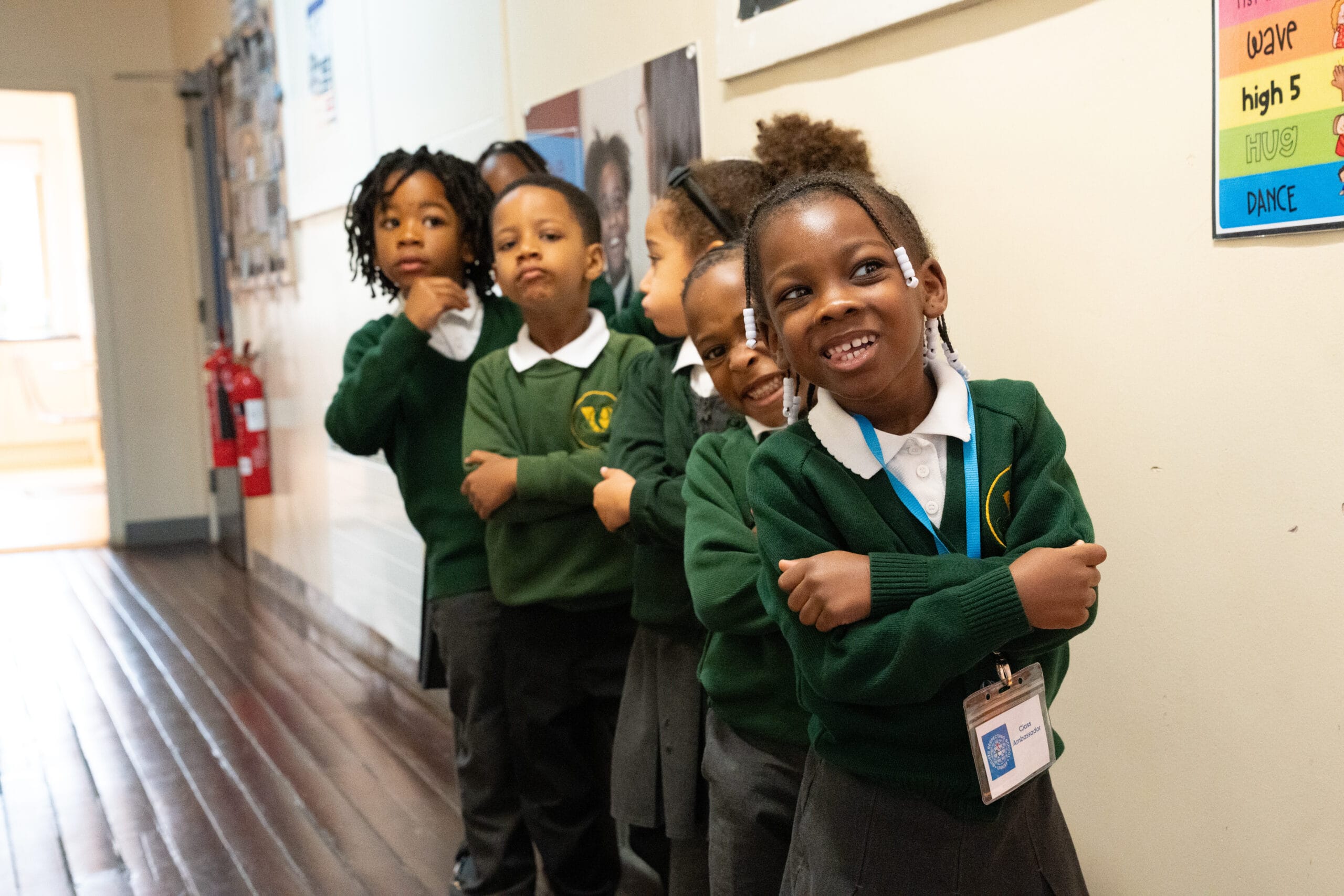
Transitions, whether big or small, can be a significant source of anxiety for your pupils. Changes outside of school, such as family changes, moving house, or a bereavement, can make school difficult. Inside school, moving to a new year, going up to secondary school, or changes in friendship groups can bring feelings of uncertainty and apprehension. In each of these changes, the transition is what happens inside when the external change takes place.
A nurturing approach aims to build a sense of belonging through strong relationships, empathy and a caring and settled environment. When children are supported during transitions, they feel more secure and cared for, and far more able to move forward and continue learning.
One in four pupils disengage from school in the first year of secondary school.
Mind the Engagement Gap, ImpactEd/Research Commission on Engagement and Lead Indicators
What helps children experiencing transitions?
The nurture approach emphasises the importance of relationships and support during transitions. Focus on:
- Reducing pupil anxiety during school transitions.
- Building resilience and confidence in children and young people facing change.
- Implementing consistent, whole-school strategies for seamless transitions.
Routines are highly important in times of change, and schools that provide consistency in their approach will help pupils to thrive. Think of it as building support that survives a change - a consistent, nurturing environment, where empathy is the norm. Wherever it’s possible, a structured approach to change will also help pupils to make sense of what’s happening. Give as much notice of planned changes as you can so they can adjust, and remove ‘cliff-edge’ changes in school wherever possible.
“We often find that behaviours labelled as 'challenging' are actually driven by fear and uncertainty.”
- Dr. Tina Rae
Three ways nurtureuk can help
E-learning
Our Nurturing Transitions e-learning covers the basics of the nurture approach to transitions. You and your team can learn at your own pace, and the training includes reflection activities to embed the learning.
Toolbox
The Transition Toolbox is a practical guide to transitions. Activity cards in the pack can help ease transitions from primary to secondary and other transitions for the children in your care. You'll find both these products in our Develop Nurturing Transitions pack.
Transition Passport
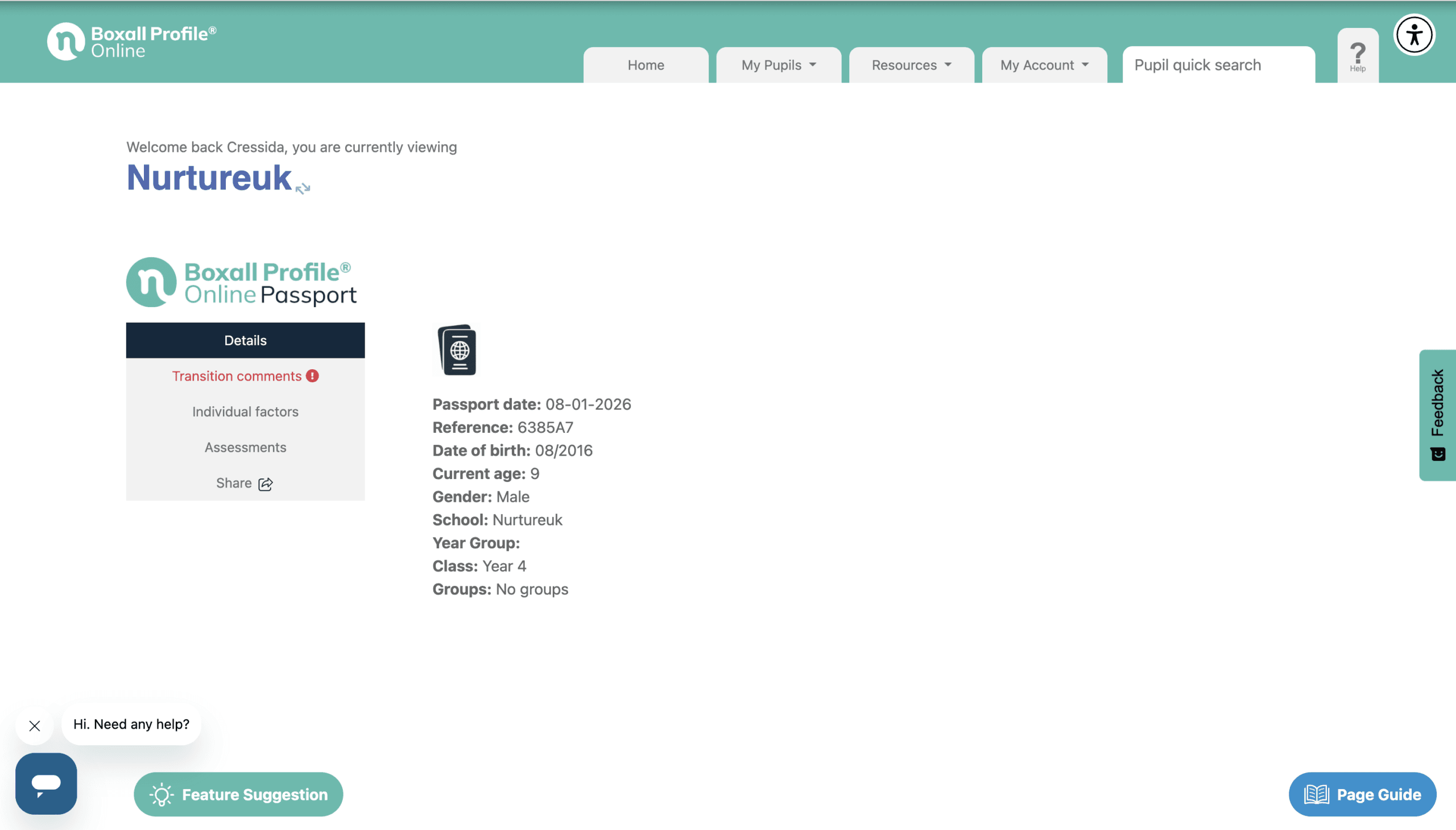
If you’re already using the Boxall Profile® Online, adding the Transition Passport can help. It’s designed to smooth the transition between years or schools so each child’s new teacher knows where to help. A pro subscription already includes the tool, but you can add it to your subscription from within the Boxall Profile® Online website. Here’s how.
Starting your journey
Ready to explore how nurtureuk can support your school in building a nurturing approach to transitions?
Are you relationally literate?
I was reminded this week about the history of the written word and how it fundamentally reshaped how we think. This reflection drew an interesting parallel with nurtureuk's work in transforming education with relational practice.
Literacy reshapes how we think
Just as traditional literacy transformed how humans process and share information throughout history, relational and emotional literacy transforms how practitioners interpret and respond to children's needs. This is particularly vital for young people experiencing difficulties with engagement, mental health or behaviour.
Engaging with nurtureuk's products and training should increase relational and emotional literacy among educational practitioners. This new form of literacy doesn't simply add knowledge - it changes the entire framework through which educators view children's behaviour and needs.
Transforming frameworks
This kind of literacy reshapes how practitioners think about behaviour and engagement, moving from punitive to supportive frameworks. The transition is profound - comparable to how written language changed human civilisation.
The Six Principles of Nurture as a relationally literate educator
Children's learning is understood developmentally.
Children are at different stages of development - socially, emotionally, physically and intellectually - and need to be responded to at their developmental level in each of these areas. Responding to children ‘just as they are’, with a non-judgemental and accepting attitude, will help them to feel safe and secure.
A relationally literate educator...
- uses their understanding of attachment, trauma, and individual differences when considering a child or young person's strengths and needs.
- will adapt teaching methods or offer different types of support based on a student's actual developmental needs rather than age-based expectations.
- considers, " How can I differentiate this activity or lesson to meet this child's current developmental stage, and address their barriers to learning?”
The classroom offers a safe base.
Creating a "safe base" isn't just about physical safety; it's about emotional safety and psychological predictability. Relational literacy enables adults to be reliable, consistent, and emotionally available. It means understanding that a safe base is built on trusting relationships.
Nurture is important for the development of wellbeing.
Relational literacy involves the ability to attune to a child or young person's emotional state, validate their feelings, and celebrate their small achievements, which are crucial for building self-esteem and resilience.
Language is a vital means of communication.
Language involves both verbal and non-verbal communication. Listening and observing. It is not just about the spoken word, the tone and language used by adults is significant.
All behaviour is communication.
Relational literacy allows educators to decode challenging behaviour. Instead of simply seeing misbehaviour, it prompts the question: "What is this child trying to tell me through their actions?" It shifts the focus from punishment to understanding unmet needs.
The importance of transitions in children’s lives.
Relational literacy assists educators to anticipate and acknowledge the impact of micro and macro transitions and provide the appropriate support.
A relationally literate educator...
- models calm, consistent responses, even when challenged.
- provides clear routines and boundaries.
- understands that their own emotional regulation directly impacts the emotional safety of the classroom.
- questions, “What is the overall emotional "temperature" of the classroom? Is it generally calm, positive, and supportive?”
A relationally literate educator...
- builds genuine and responsive connections, noticing and responding.
- validates emotions.
- wonders, “Are there any patterns in their emotional responses (e.g., always before a certain subject, after lunch, during group work)?” and “Can I identify triggers, anticipate challenges, and implement preventative strategies?”
A relationally literate educator...
- models appropriate language, tone and body language.
- uses "emotion coaching" to help children verbalise their feelings.
- understands that when children and young people do not have the vocabulary to express themselves it can impact upon behaviour.
- observes and considers, “What are their non-verbal cues telling me? (e.g. body language, facial expressions, eye contact, energy levels)”
A relationally literate educator...
- responds with curiosity and an aim to support, "What is this child or young person trying to tell me through their actions?"
- looks for the "why" behind the behaviour, considering factors like past experiences, current stressors, or underlying emotional needs.
A relationally literate educator...
- understands that they may be the ‘safe base’ at times of change for a child or young person.
- uses a range of strategies to prepare students for micro and macro transitions.
- asks the question, “Do I provide sufficient warning for transitions or changes in routine?”
When educators develop their relational literacy, they begin to see challenging behaviour not as defiance requiring punishment, but as communication requiring understanding. They recognise that a child's actions often speak to unmet needs or past experiences that require support rather than sanctions.
The impact of relational literacy
The impact of this transformation extends beyond individual interactions. As relational literacy spreads throughout a school, it creates an environment where all children, particularly the most vulnerable, feel understood, valued and supported.
Just as traditional literacy opened new worlds of knowledge and understanding, relational literacy opens new possibilities for connecting with and supporting children who might otherwise be misunderstood or left behind.
How nurtureuk develops practitioner literacy
nurtureuk can help develop practitioners' abilities in three key areas:
Understanding
- Understand attachment and trauma-informed approaches, recognising that the objective is to provide an environment where students feel physically and psychologically safe.
- Recognise and respond to emotional needs, understanding that responses to emotional needs must be differentiated based on actual developmental needs rather than age-based expectations.
- Interpret behaviour as communication, understanding that behaviour is influenced by context – the environment, the situation, the adult's response, and the student's internal state.
Skills
- Build trusting relationships that foster belonging. A physically and emotionally safe environment is paramount for belonging. When children and young people feel safe they are more likely to engage with learning.
- Communicate effectively with vulnerable young people to foster understanding and connection.
- Apply restorative practices shifting the focus to understanding, responsibility, and repair.
Implementation
- Advocate for relationship-based approaches across the whole school, equipped to embed this literacy at strategic and operational levels. Relational practice in schools is about fostering positive, safe, and supportive relationships between all members of the school community: students, staff, and families.
Next steps
By investing in this fundamental shift in understanding, schools can create nurturing environments where all children can thrive - not despite their challenges, but with the understanding and support they need to navigate them.
The relational practice bundle
Explore the growing body of evidence highlighting the profound impact of positive relationships on all facets of a child’s development and learning journey. The Relational Practice Bundle includes a digital self-paced training course and two publications.

Benjamin Whitehouse
Digital Product Manager | nurtureuk