

Navigating transitions using nurture
Navigating transitions can be challenging for many children and young people, often leading to anxiety, behaviour changes, disengagement and poor attendance.
We understand the profound impact that periods of change can have on a child’s wellbeing and their ability to thrive in a new environment. The nurture approach can help your school to support every child through crucial transitions, so they can achieve, belong and thrive. By understanding how a nurturing approach can foster emotional wellbeing and build resilience, you can ensure every pupil feels safe, understood, and ready for their next step.
"While some children cope remarkably well with change, for others change on a relatively small scale can be a difficult experience."
- Deborah Plummer
Why are transitions important?
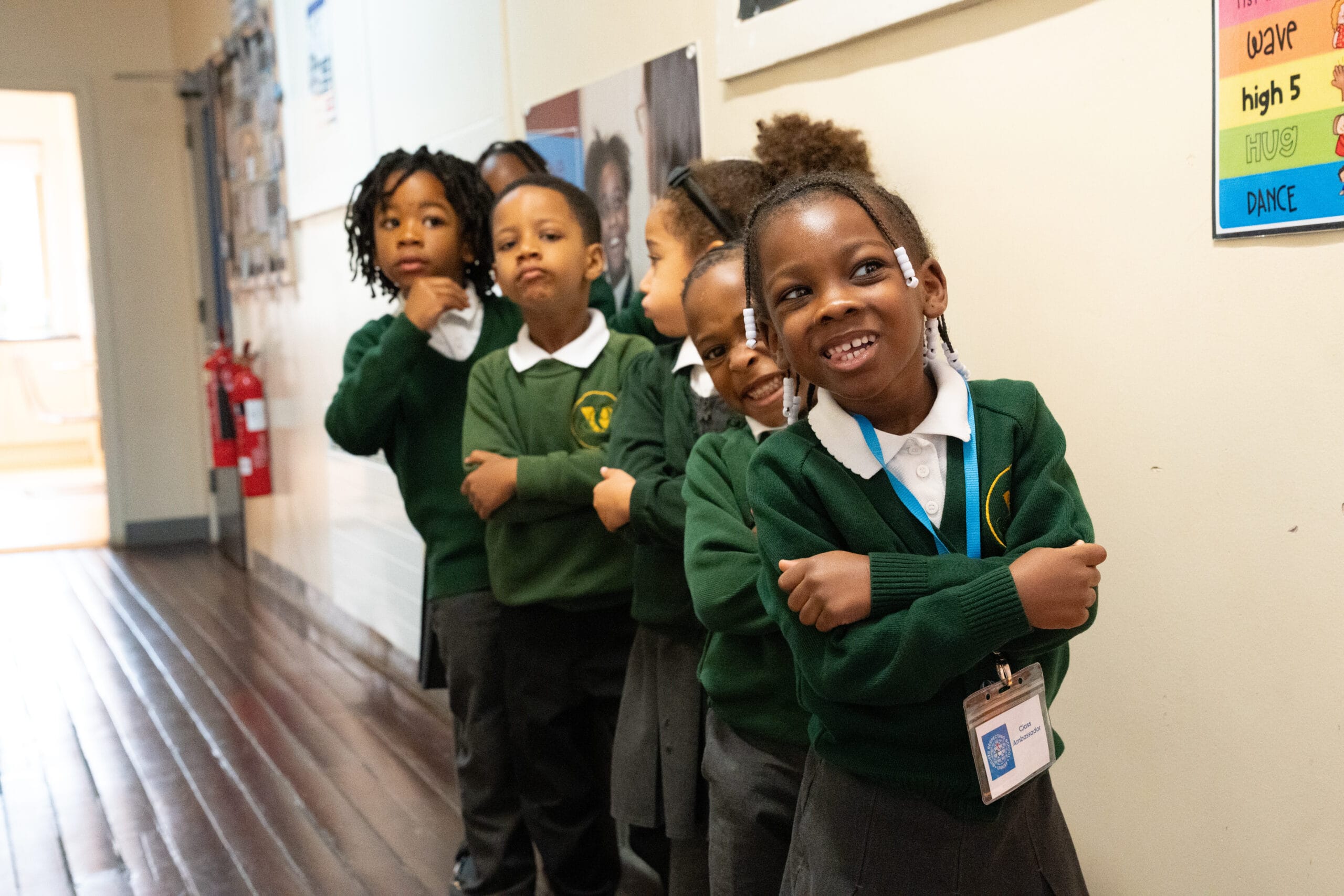
Transitions, whether big or small, can be a significant source of anxiety for your pupils. Changes outside of school, such as family changes, moving house, or a bereavement, can make school difficult. Inside school, moving to a new year, going up to secondary school, or changes in friendship groups can bring feelings of uncertainty and apprehension. In each of these changes, the transition is what happens inside when the external change takes place.
A nurturing approach aims to build a sense of belonging through strong relationships, empathy and a caring and settled environment. When children are supported during transitions, they feel more secure and cared for, and far more able to move forward and continue learning.
One in four pupils disengage from school in the first year of secondary school.
Mind the Engagement Gap, ImpactEd/Research Commission on Engagement and Lead Indicators
What helps children experiencing transitions?
The nurture approach emphasises the importance of relationships and support during transitions. Focus on:
- Reducing pupil anxiety during school transitions.
- Building resilience and confidence in children and young people facing change.
- Implementing consistent, whole-school strategies for seamless transitions.
Routines are highly important in times of change, and schools that provide consistency in their approach will help pupils to thrive. Think of it as building support that survives a change - a consistent, nurturing environment, where empathy is the norm. Wherever it’s possible, a structured approach to change will also help pupils to make sense of what’s happening. Give as much notice of planned changes as you can so they can adjust, and remove ‘cliff-edge’ changes in school wherever possible.
“We often find that behaviours labelled as 'challenging' are actually driven by fear and uncertainty.”
- Dr. Tina Rae
Three ways nurtureuk can help
E-learning
Our Nurturing Transitions e-learning covers the basics of the nurture approach to transitions. You and your team can learn at your own pace, and the training includes reflection activities to embed the learning.
Toolbox
The Transition Toolbox is a practical guide to transitions. Activity cards in the pack can help ease transitions from primary to secondary and other transitions for the children in your care. You'll find both these products in our Develop Nurturing Transitions pack.
Transition Passport
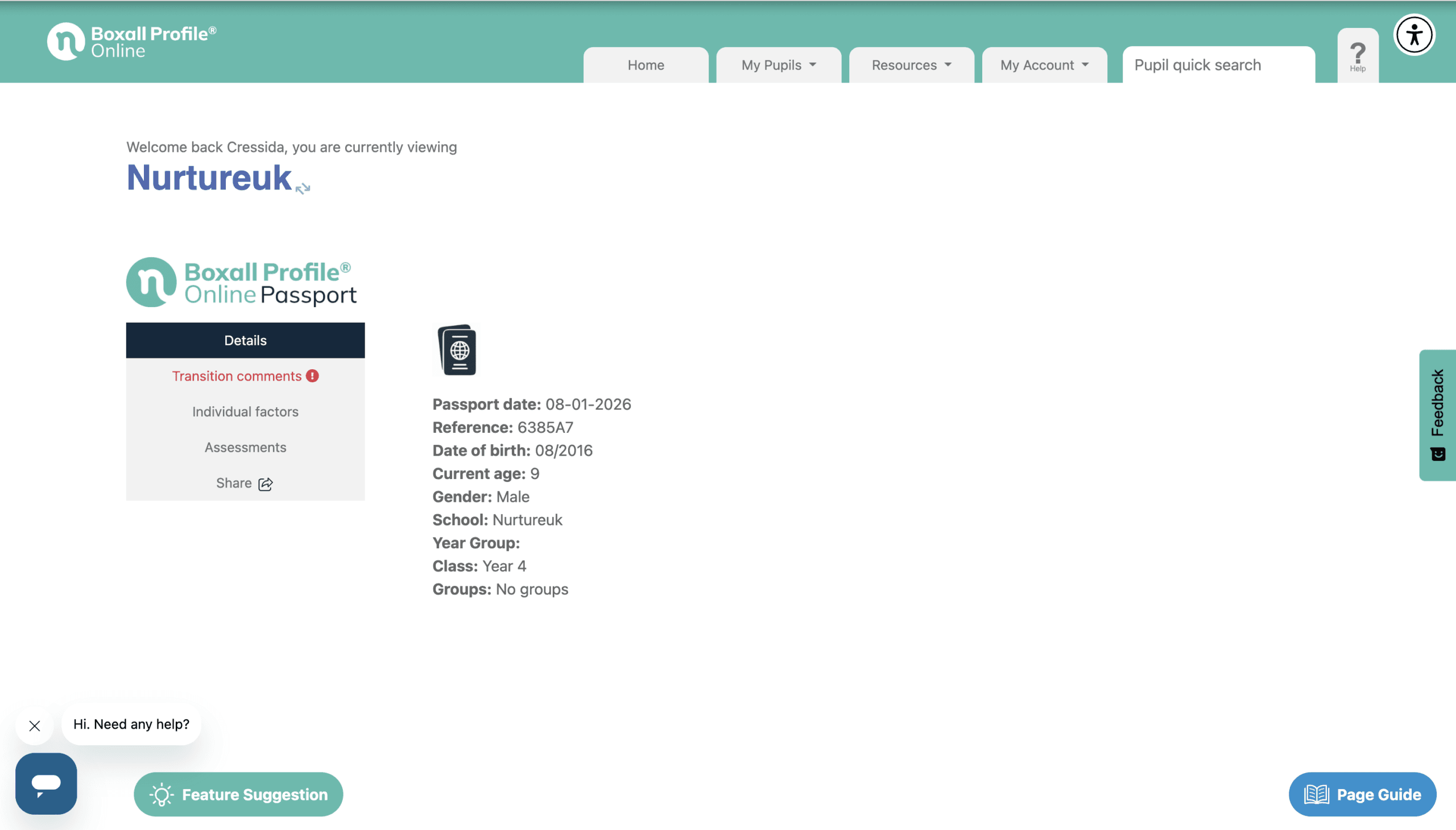
If you’re already using the Boxall Profile® Online, adding the Transition Passport can help. It’s designed to smooth the transition between years or schools so each child’s new teacher knows where to help. A pro subscription already includes the tool, but you can add it to your subscription from within the Boxall Profile® Online website. Here’s how.
Starting your journey
Ready to explore how nurtureuk can support your school in building a nurturing approach to transitions?