

Creating a strong classroom community is essential for fostering a supportive, collaborative, and emotionally nurturing environment where students can thrive. At the heart of this is relational practice, which emphasises the importance of the relationships between students, educators, and the wider school community. Grounded in mutual respect, trust, and understanding, relational practice aligns closely with the Six Principles of Nurture.
We've created these free lesson plans to support your work building a strong classroom community. Click below to download.
Keep reading to find out why cultivating a classroom community is key to student success.
10 reasons to invest in community-building
We've linked suggested activities which can be adapted to suit the strengths and needs of your students in your context. These community-building activities are linked to the Six Principles of Nurture.
1. Fosters a sense of belonging
Feeling part of a supportive community enhances engagement, resilience, and confidence. A sense of belonging empowers students to face challenges, contribute positively, and thrive academically and socially.
2. Creates a positive and secure learning environment
A nurturing community fosters safety, respect, and focus. Classrooms guided by relational practice minimise disruption, allowing students to concentrate on learning and personal growth.
3. Enhances engagement through connection
Students who feel connected to peers, teachers, and staff are more motivated to participate in learning. Relational practice can assist in building trust and support, encouraging students to take risks, ask questions, and engage actively in their education.
4. Supports emotional wellbeing
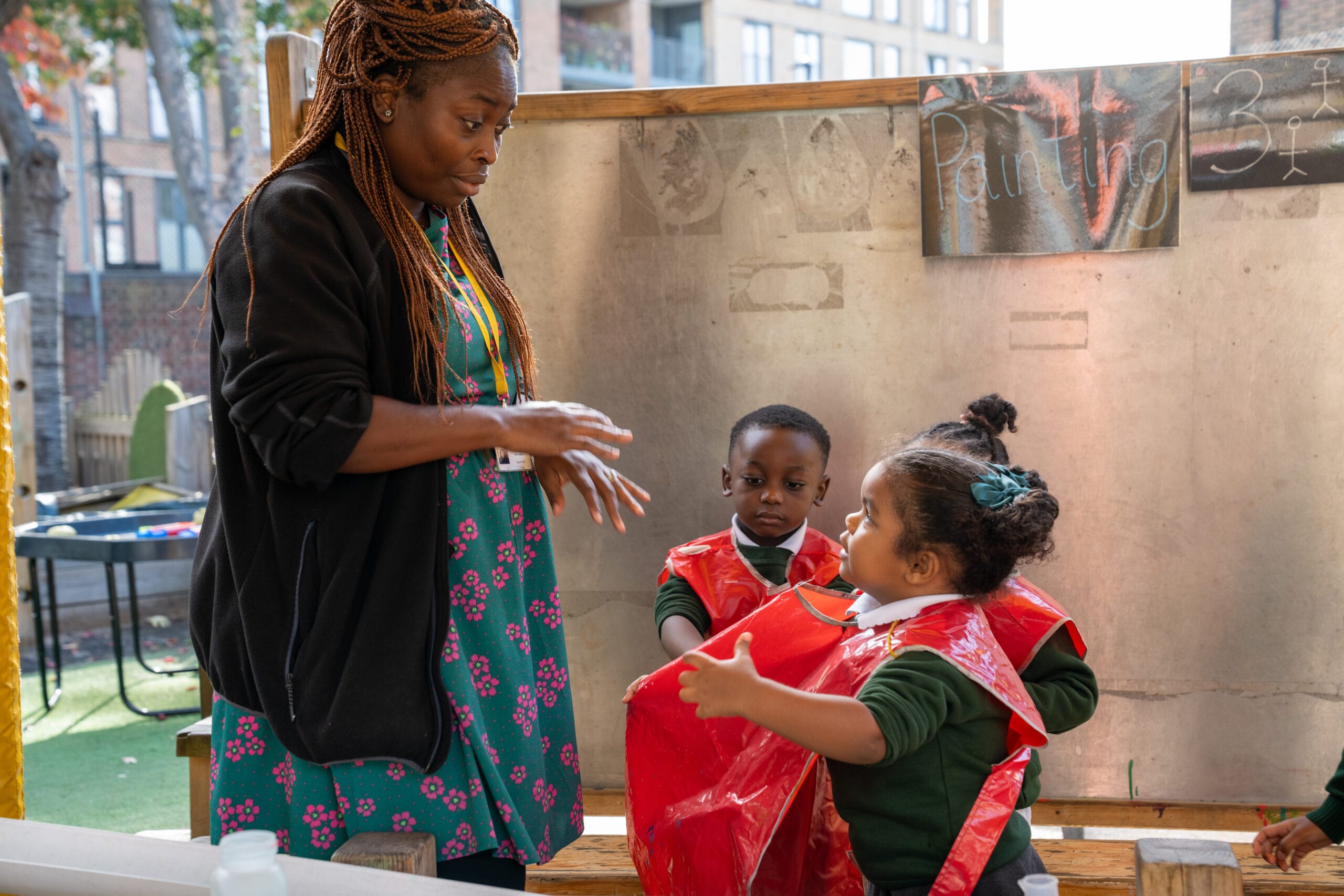
A nurturing classroom can provide safety and security. Students who feel connected are less likely to experience anxiety or isolation. Positive behaviours such as kindness, empathy, and collaboration are reinforced, supporting emotional development.
5. Fosters collaboration and shared responsibility
By recognising each student’s strengths, relational practice promotes teamwork. Structured group activities allow students to problem-solve together, share responsibility, and value each other’s contributions.
6. Encourages inclusivity and celebrates diversity
A relational classroom values all students’ backgrounds, perspectives, and identities. Celebrating diversity fosters empathy, understanding, and a genuine sense of belonging for everyone.
7. Supports social-emotional skills
Regular, positive interactions help students develop key skills such as communication, conflict resolution, and empathy. These social-emotional competencies enhance relationships and support academic success.
8. Strengthens adult-student relationships
Teachers who prioritise relational practice build trust through respect and care for students’ emotional and academic needs. Strong teacher-student relationships encourage engagement, confidence, and willingness to seek support.
9. Promotes accountability and responsibility
In a supportive school community, students learn to take responsibility for their actions and learning. Understanding the impact of their behaviour on peers encourages cooperation and a harmonious classroom culture.
10. Develops skills and friendships
Long-lasting friendships and essential life skills such as teamwork, empathy, and communication can emerge naturally in a relational classroom, preparing students for success beyond school.
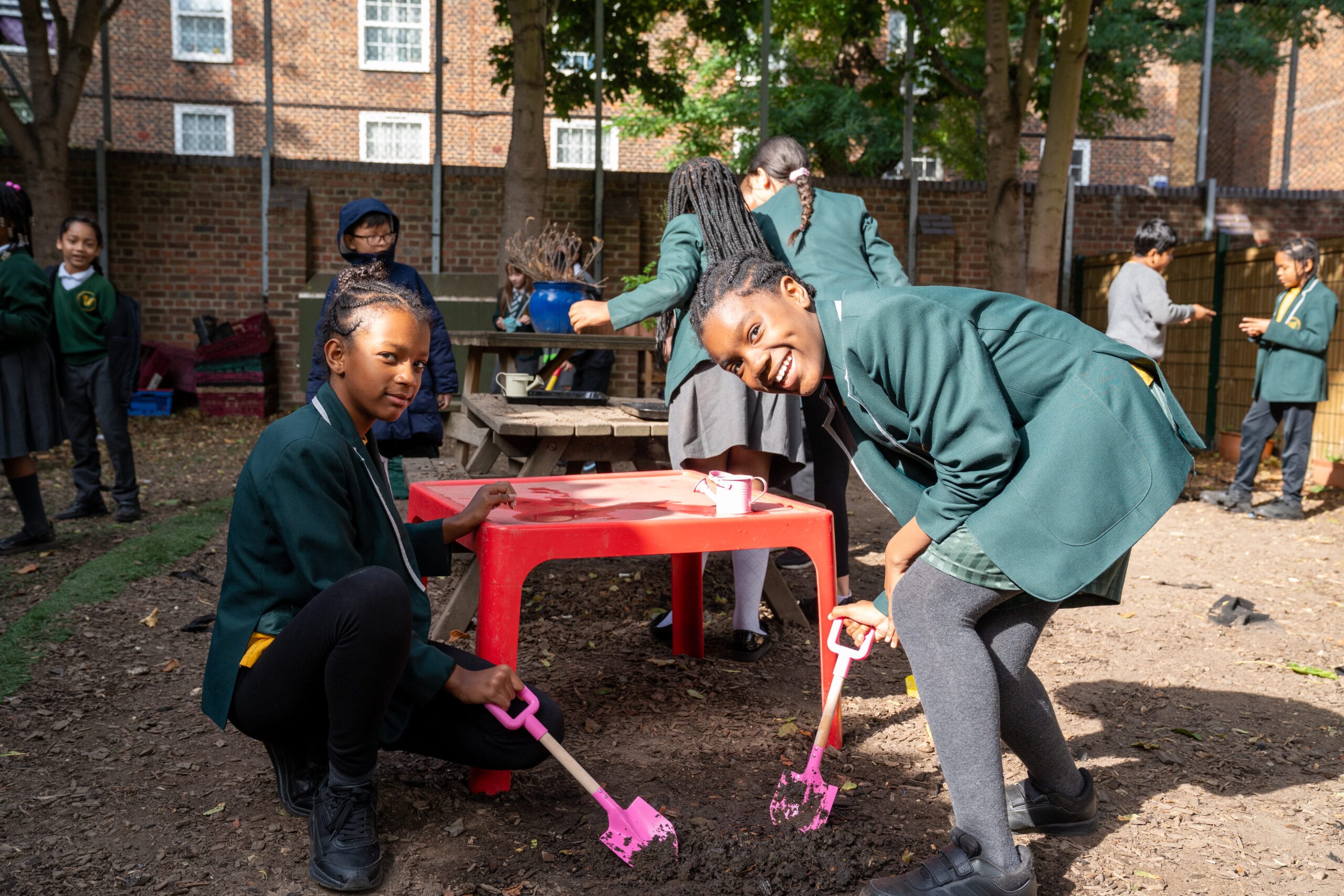
Integrating relational practice and the Six Principles of Nurture builds classrooms where students feel supported, connected, and motivated. By focusing on relationships, inclusivity, emotional well-being, and clear expectations, educators can cultivate the skills students need to succeed academically, socially, and emotionally.
Top tips
Keep it authentic: If an activity doesn't feel like "you," adapt it. Students respond best to genuine interaction.
Start small: You don't need to do everything at once. Relational practice happens in the small moments such as a greeting at the door and remembering an interest.
The goal: We aren’t just managing a room; we are building a culture where students want to learn and where you want to teach.
Join our next cohort of nurture group training and become a qualified nurture practitioner