

In the UK’s current educational landscape, the definition of success has evolved. Under the November 2025 Ofsted Inspection Framework, inclusion is no longer a peripheral concern; it is a standalone evaluation area. The benchmark for "Strong" or "Exceptional" ratings has shifted from mere physical presence to deep-rooted psychological safety.

The shift: From inclusion to belonging
It is no longer enough to provide a seat in a classroom. Schools must now demonstrate they are cultivating an environment where every child feels they truly belong. As the School Inspection Toolkit (v1.1) states:
“Pupils feel welcome, valued and respected and that they belong within the school community.” (p. 49)
We are moving away from viewing schools as only academic institutions. Instead, we are building learning communities that recognise intellectual engagement only flourishes when built upon a foundation of social and emotional wellbeing. This focus extends beyond Special Educational Needs and Disabilities (SEND) to encompass disadvantage, mental health, and protected characteristics.
Defining belonging
Allen et al. (2021) define school belonging as the degree to which students feel personally accepted, respected, included, and supported by peers, teachers, and other adults within the school's social environment. Allen and colleagues emphasise that belonging isn't just about being physically present, but about feeling emotionally connected, safe, and a valued member of the school's social system.
How can nurture help?
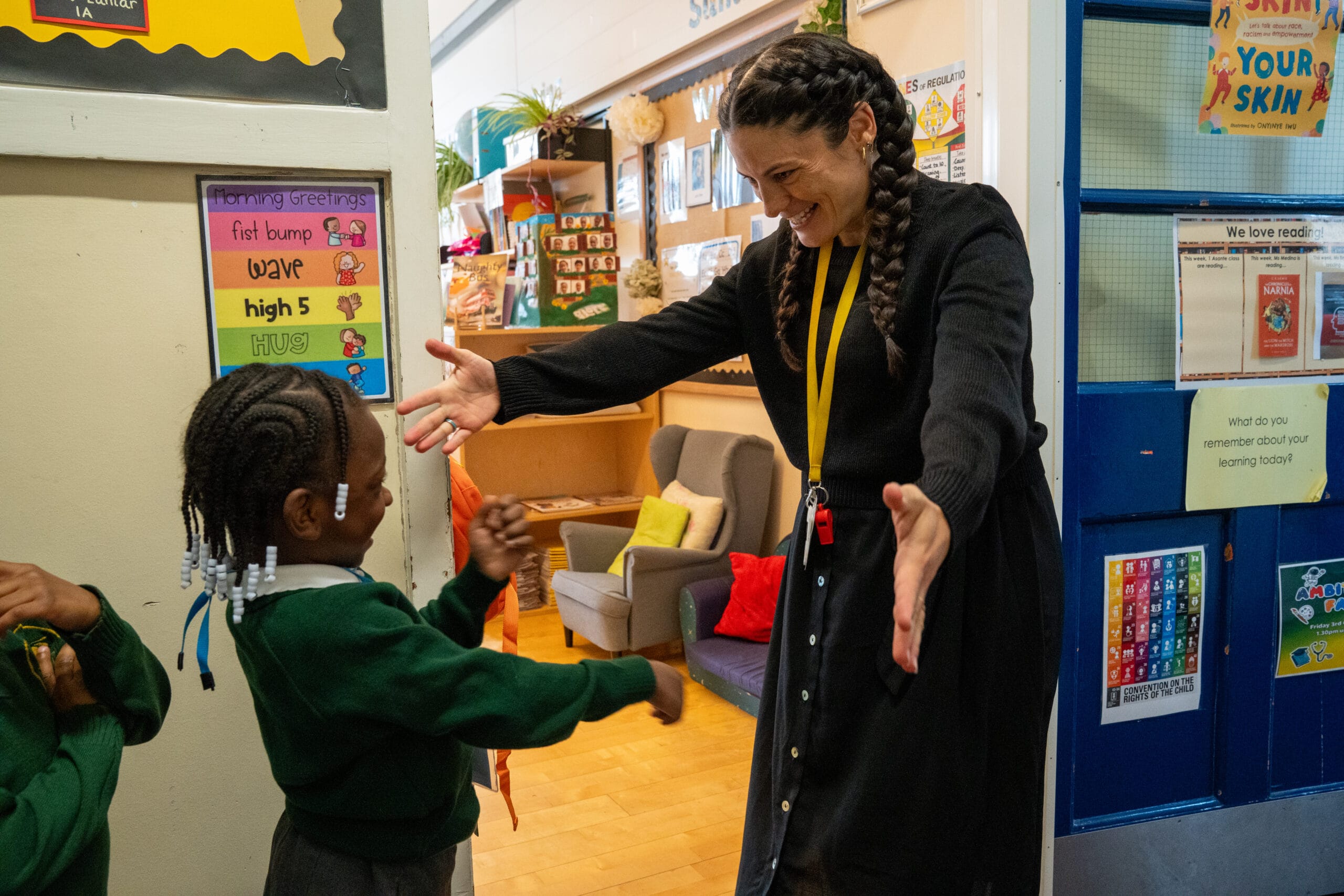
We recognise that a nurture-informed, whole-school approach can serve as the vital practical framework for developing deep-rooted belonging. By embedding the Six Principles of Nurture into daily operations, we have the potential to transform 'belonging' from an abstract concept into a measurable reality for every pupil.
By linking the Six Principles of Nurture to Ofsted requirements, we can better understand how nurture practice can create a culture of belonging for all learners.
The Six Principles of Nurture and Ofsted
1. Children’s learning is understood developmentally
When we meet a child or young person where they are, not where their chronological age suggests they should be, we focus on their stage, not their age. We can then plan to ensure that the curriculum is relevant.
Ofsted link: Inclusion
Inspectors look for "Adaptive Teaching." This means showing how you modify the curriculum for a child whose emotional age might be lower than their actual age.
2. The classroom offers a safe base
The environment is predictable, structured, and welcoming. This creates "containment," where the presence of reliable adults helps reduce anxiety and allows for risk-taking in learning.
Ofsted link: Inclusion & Wellbeing
The "Report Card" evaluates if the environment removes barriers to attendance. A safe base reduces "emotionally-based school avoidance" (EBSA).
3. The importance of nurture for the development of wellbeing
Nurture involves active listening and responding. It prioritises self-esteem and emotional health as the foundation for academic success.
Ofsted link: Personal Development
Ofsted looks for how the school builds resilience and "character."
4. Language is a vital means of communication
Developing the vocabulary to express feelings is essential. Adults model "naming" emotions (e.g., "I can see you're feeling frustrated") to help others understand their own internal states.
Ofsted link: Quality of Education
The explicit teaching of emotional literacy and self-regulation vocabulary across the school.
5. All behaviour is communication
Moving from punitive reactions to a curious approach: "What is this child trying to tell me that they cannot yet say in words?"
Ofsted link: Attendance & Behaviour
A shift from punitive "zero-tolerance" to relational approaches. Inspectors look for how schools address the root causes of absence and disruption.
6. The importance of transition in children’s lives
Managing macro and micro changes with "bridging" activities and visual supports to maintain a sense of security.
Ofsted link: Leadership & Management
Inspectors look at "Transition Effectiveness," especially for vulnerable groups moving from Primary to Secondary or from alternative provision back into mainstream.
Next steps
To build a nurturing school is to acknowledge that academic achievement is rooted in belonging. When we apply the Six Principles of Nurture, we create a school culture that does more than just "manage" students; we create a community that holds them. In the modern educational landscape, fostering a sense of belonging is the most effective strategy we have for ensuring every pupil can reach their full potential.
To help schools move from theory to evidence-based practice, nurtureuk provides tools specifically designed to meet the rigour of the new inspection standards:
The National Nurturing Schools Programme
A comprehensive journey for schools to embed a culture of belonging, leading to the Nurturing School Award
This tool allows schools to move beyond "gut feeling" by providing a precise assessment of social and emotional needs. It enables staff to set targets and track the impact of interventions, making belonging "measurable."
Our e-learning suite provides staff with the tools to build a consistent, relationship-centered environment where every student feels seen, understood, and supported in their development.