

Posts by Cressida Wyer
Blackout poetry as creative expression for children
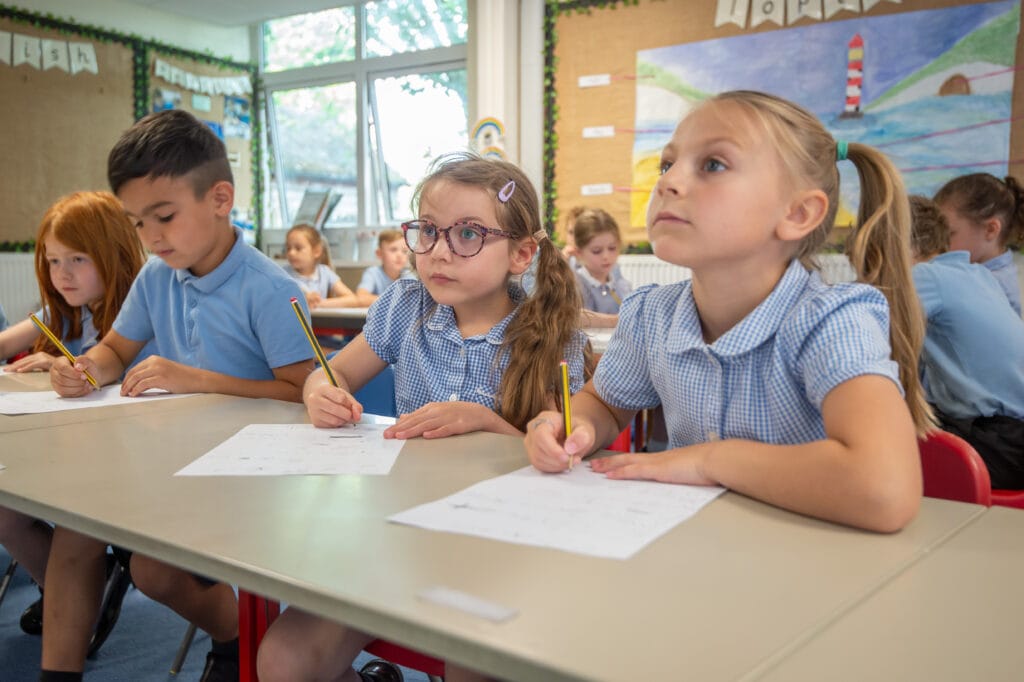
Blackout poetry can be an excellent classroom or nurture group activity. It is a thoughtful, calming task that encourages emotional expression and creativity.
It’s low-pressure, simple to set up, and can help with self-reflection. Both primary and secondary school pupils can benefit from this activity. Learn more about nurture groups.
Jump to:
What is blackout poetry?
Blackout poetry is a creative form of found poetry. Using a page of existing text (from an old book, magazine, or article), pupils can pick out words or short phrases that speak to them. The remaining text is blacked out or illustrated over, leaving just the words of the poem.
It’s imaginative and meditative, offering a unique way for pupils to explore their thoughts and feelings without starting from a blank page.
What you'll need:
- Photocopied pages (these could be from books, articles, magazines, etc.)
- Pencils (for choosing words)
- Black markers or coloured pens
- Optional: craft supplies (for titles, borders, or illustrations)
How to run the activity
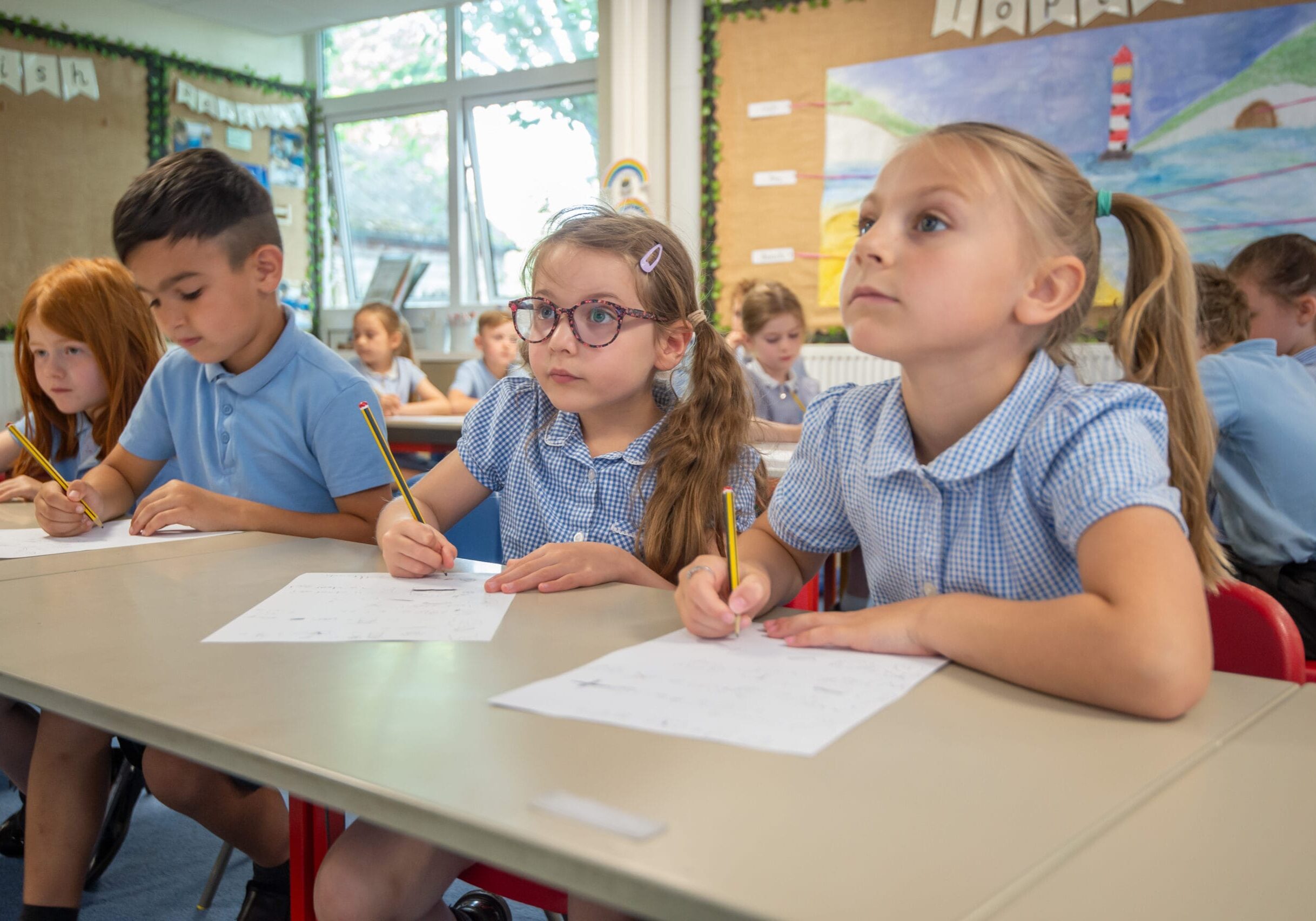
1. Set the scene:
Begin by explaining what blackout poetry is. If possible, show examples of blackout poetry that you have already completed. This can help spark ideas and reduce anxiety.
Reassure the group that this is about expression, not perfection, and let them know that they don’t need to worry if it looks messy. Let them know that their completed poem could be funny, emotional, abstract, etc. and it doesn’t matter how it turns out. Make sure that they know that sharing their poem at the end is entirely optional.
2. Choose a page
Let each child choose a page that appeals to them. Different types of texts can produce very different poems, so variety helps.
3. Discover the words
Encourage pupils to read through the page and circle words or phrases in pencil that catch their eye— these could be words that make them feel something, remind them of something, or just sound interesting/funny.
(Doing this in pencil means they can rub out and start again if needed)
4. Black it out
Using markers or pens, pupils then black out the rest of the page, leaving only their selected words visible. The rest of the words can either be covered with solid black or patterns and pictures that match the feeling of their poem.
5. Finishing touches (optional)
Children may wish to give their poem a title, decorate the page further, or write the poem out separately on another sheet. Offer the chance to share with the group—but make it clear this is voluntary.




Examples of black out poetry.
Tips for success
- Model the activity yourself if possible—showing your own poem (even a messy one) can help ease nerves.
- Ensure that the class know that there is no right or wrong way to do this. If their poem doesn’t make perfect sense, that’s fine—it’s about what the words evoke for them.
- Offer quiet support as needed, and celebrate the process rather than just the final product.
Reflection questions
When the session ends, you could invite reflection with a few gentle questions:
- What was it like to make your poem?
- Did any words surprise you?
- Would you want to try this again?
Blackout poetry and nurture
Blackout poetry invites calm focus, builds confidence in creative expression, and offers a quiet space for thoughts to take shape in a setting where children need to feel safe, heard, and nurtured.
When children and young people feel safe and their words, thoughts and actions are valued they develop a sense of belonging to the school.
A pupil’s relationship with a teacher or other adults in the school is the strongest predictor of emotional wellbeing (Obsuth et al., 2017) and creative activities are an excellent path to establishing strong relationships.
Positive relationships help pupils learn, adapt, develop, feel safe and succeed.
Looking for more nurture group activities? Check out 5 easy craft ideas for children in nurture groups or Toast time.
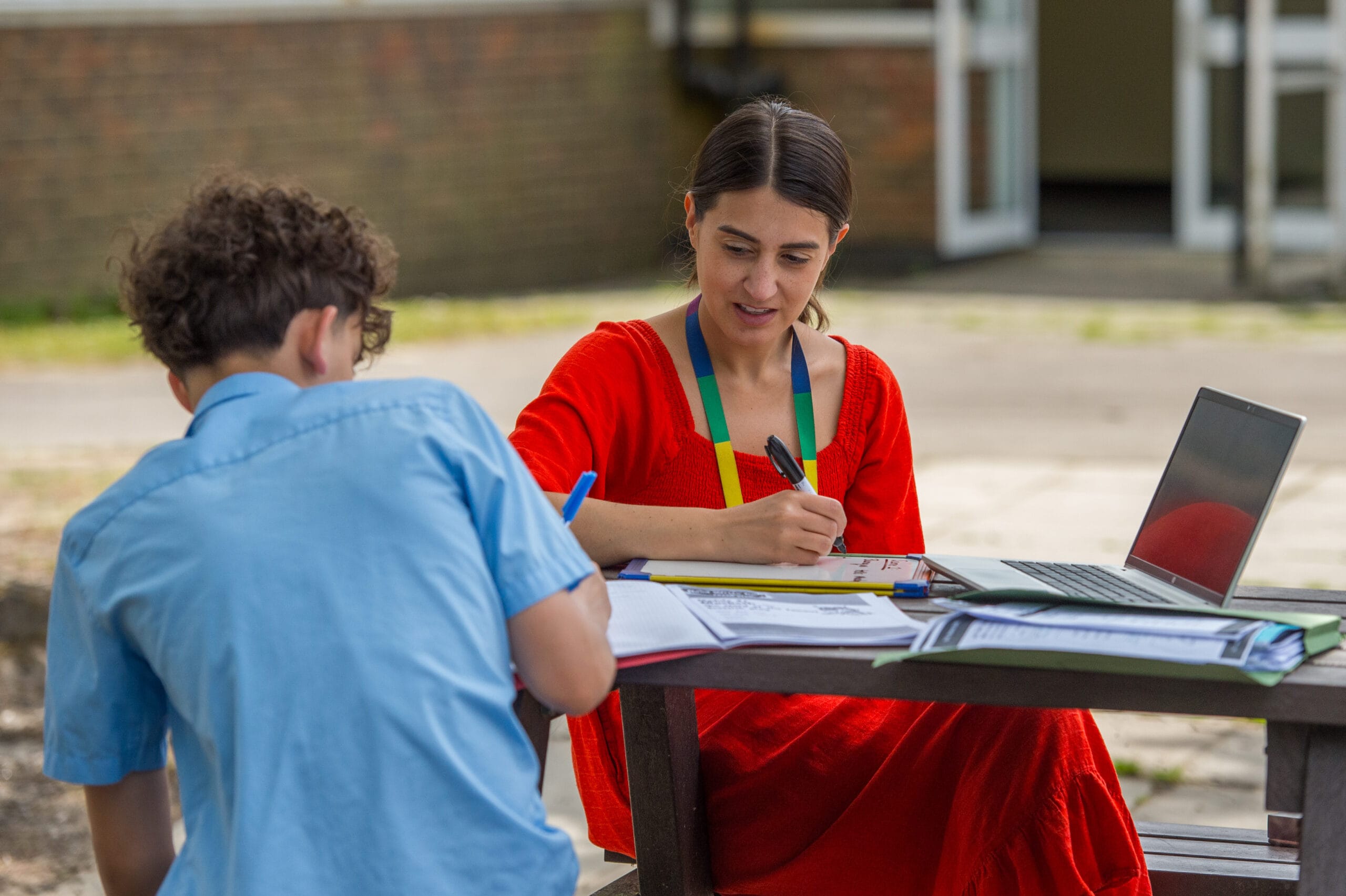
Toast time as a nurture intervention

‘We get to talk about lots of things in toast time don’t we? That’s always fun isn’t it’
St Andrew’s Primary School, Norfolk
What is toast time?
One of the most important parts of any nurture session involves the sharing of food. Many nurture practitioners report that many of their children’s breakthrough moments have happened during snack time.
Toast time is a way of practicing this, by implementing a regular time in the school day to all sit down together, eating as a group, somewhat like a family.
Social skills are key to children’s success in establishing and maintaining nurturing relationships and toast time offers a unique inclusive opportunity for all children.
Toast time and St Andrew's Primary School
St Andrew’s Primary School set aside a set period every morning to sit down at tables and enjoy ‘free’ conversations with peers and adults in the room over a piece of toast.
This daily toast time was set up across the small mixed age primary school (approx. 70 children) as a result of an identified need from the Boxall Profile® assessments of all of the children in the school. All children in the whole school were assessed twice a year using the Boxall Profile®.
The aim of toast time was to improve and develop children’s social skills using the whole school nurture/nurture groups approach i.e. a nurturing intervention.

How to start your own toast time - best practices
Catherine Chalmers, Senco from the school, observed the toast time sessions and as a result she established a number of agreed practices for these sessions.
Staff:
- It was essential that staff sat down with the children and ate too.
- Staff were directly involved in the social intercourse and were able to encourage and demonstrate modes of behaviour required of the children e.g. offering toast around the table at the same time making eye contact, saying please and thank you and using each other's names.
- The role of the adults was very important but as teachers we needed to understand that we were not there to direct or control the children’s conversation and adults could often impede this, especially where less confident children were involved. As adults we needed to intervene to ensure that the children shared the toast, listened to each other and remembered to say thank you but these adults also needed to know when to step back and allow the conversation to flow.
- A toast time log was kept by adults with any key information recorded.
Children:
- Children were allocated roles on a rotating basis, from setting up the toast time to tidying away, the whole class was involved.
- It was considered to be beneficial for the children if they were required to sit at allocated places for the week, using name plaques to identify their set places.
Interaction:
- Food was shared which helped create attachments and relationships.
Subsequent research from The National Literacy Trust emphasises that regular family mealtimes, where people sit down and talk, are crucial for boosting children's communication skills and confidence, as well as fostering healthy family relationships. This is in effect what toast time in school replicates.
- Frequently emotional and philosophical issues were discussed and the presence of an adult to monitor and occasionally guide the conversation was crucial.
- Sharing news was important so that each child felt valued and had time that does not always occur during the average school day.
The positive outcomes of toast time
Over a period of two terms, Catherine Chalmers (Senco) was able to observe three children who had particularly poor social skills. Although this period of time was short and it involved such a such a small number of children to give a definitive outcome, significant improvements in their social skills were noted.
Toast time became a very valuable, if not crucial part of the school day. It gave the children the opportunity to learn and practice essential social skills, air their view, share their feelings and be heard. These are all necessary to prepare children for and to help them achieve their full learning potential in school and later on in adult life, to become active citizens in their communities.
For an in-depth look at the importance of sharing food, nurtureuk offers a Snack time bundle to support schools. The bundle focuses on the sharing of food in nurture settings and considers why it is such a vital part of the nurture curriculum. It aims to explain the theory and research behind the snack time routine.


The importance of snack time in nurturing interventions
This short book explains the role and benefits of snack time, and how it fits with attachment theory and the development of young people’s communication skills. It also offers practical tips on how to structure snack time effectively, as well as fun ideas for games and activities.
Nurture in secondary schools from a pupil perspective

“Nurturing, personalised and engaging.” That’s how Year 11 pupil Phoebe would describe her primary school experience. Yet nurture in her secondary schools was notably absent.
Up until then, Phoebe felt that “there were enough resources to make each pupil feel comfortable, safe and listened to. There was always something going on to keep every pupil involved and interested. I felt my personal opinion was valued.”
The transition to secondary school
Although she felt confident ahead of joining secondary school, Phoebe's experience left her and her parents feeling like they had no choice but to home educate her.
We were all treated like we had the same needs as one another. We weren’t treated like individuals. I was told quite a lot that I was wasting staff time when I was asking to leave the classroom because I was feeling overwhelmed.
In my last year in school, a new policy was introduced whereby if you were approached by a member of staff in the school you had to make eye contact with them and comply with everything they asked of you. Anything other than this was seen as talking back.
There was no such thing as pupil voice. When a pupil used their voice to mention something, staff often tried to deter these student's opinions by saying things like ‘I don't make the rules, this is how the system works’.
When I was overwhelmed, and wanted to leave the class, there was nowhere else for me to go as they also locked the toilets during lesson times. I felt suffocated and trapped. This is what led to my ‘bad behaviour’ because I would just leave the classroom but have nowhere to go. I would walk around the school trying to find some space. At this point I would be followed by an ‘army’ of SLT staff telling me if I wasn't going to go to my lesson I needed to go to isolation.”
After two turbulent years, two different secondary schools, and a lot of research, Phoebe and her parents agreed to deregister her and begin home education.

Home education
After the switch to home education, Phoebe immediately felt better mentally. Home education was the best option available to her at the time, but it shouldn't have been. "If school had been different I would be looking at grade 9s in my GCSEs,” she says.
The Six Principles according to Phoebe
The Six Principles of Nurture are foundational for schools looking to create a safe and inclusive learning environment.
They enable school staff to focus on the social, emotional and mental health of children and young people, ensuring all pupils are ready to learn. When social, emotional and mental health needs are not met, this can negatively impact behaviour, attendance, engagement and ultimately educational outcomes.
The classroom offers a safe base
In a nurturing school, the classroom environment is inviting and nurturing for all. The classroom offers a balance of educational and social, emotional and mental health experiences aimed at supporting the development of children’s relationships with each other and with staff. Adults are reliable and consistent in their approach to children and make the important link between emotional containment and cognitive learning.
Phoebe’s secondary school experience highlights the need for consistent support processes to help pupils to feel safe and secure.
When I was worried in school I did not find that there was a consistent system.
They used to tell us we could talk to our personal tutors but when we did they would send us to someone else and then they would send to someone else and it ended up in a big chain of never actually finding someone you could talk to.
There was not a balance between education and mental and emotional health. Everything was purely education focussed and I was often told ‘your education is the only thing that matters right now’ when I was struggling and wanted to leave the classroom environment. The staff who did try to help me often had to deny me the help I needed in front of more senior staff members.”
The importance of nurture for the development of wellbeing
Nurture involves listening and responding; everything is verbalised with an emphasis on the adults engaging with pupils in reciprocal shared activities. Children respond to being valued and thought about as individuals. In practice this involves noticing and praising small achievements - nothing should be hurried.
Strategies should be put in place that promote the wellbeing of children and young people, as well as staff wellbeing. Consideration should be given to how achievements and attainments are celebrated, and what structures are in place to promote the pupils’ voice.
Language is a vital means of communication
It is important for children and young people to be able to understand and express their thoughts and feelings. It is also crucial for adults to understand the importance of their own language towards children and young people, and how this can impact them. Children often ‘act out’ their feelings as they lack the vocabulary to name how they feel. Informal opportunities for talking and sharing are just as important as more formal lessons teaching language skills. This enables words to be used instead of actions to express feelings.
It is helpful to provide opportunities for pupils, parents and staff to express their views, and that adults model how to share feelings and experiences. Pupils’ voices should be valued, and language should be assessed, developed and embedded in all aspects of the curriculum at the appropriate level for the child or young person.

The importance of transitions in children’s lives
Children and young people experience many transitions throughout their lives, and on a daily basis; transitions from home to school, between classes and teachers, from breaktime to lessons, or moving from primary to secondary school. Changes in routine are invariably difficult for vulnerable children and young people, and school staff can support pupils to transition with carefully managed preparation. Pupils should be included in the planning of support, as well as parents and carers where possible, and information should be shared at key transition points.
Phoebe’s experience of transitions in her secondary school left her feeling unsafe and let down by promises of tailored support that never materialised.
The start of the school day was stressful enough even if you were on time.
The second you walked though the gate you had staff members on your back about uniform and equipment measures, for example the wrong colour socks or no purple pen (for self correction). If you were to arrive more than two minutes after the bell rang you would be sent to the late room for the whole of the form period. If your excuse was that your bus was late, they would say you should have got an earlier bus.
About halfway through my first year of school, a member of SLT conducted an experiment by walking from one side of the school to the other and claimed that it took 3 minutes and 15 seconds. As a result of this, a new rule was introduced in which you must arrive at your next lesson within 3 minutes and 15 seconds from when your last lesson ended. This wasn't effective because it gave students no time to decompress, to pack up their things and no time to go to the toilet or fill water bottles. You also suffer the consequences of this rule if your teacher let you out of your lesson late. This became your fault.”
Children’s learning is understood developmentally
Children are at different stages of development - socially, emotionally, physically and intellectually - and need to be responded to at their developmental level in each of these areas. Responding to children ‘just as they are’, with a non-judgemental and accepting attitude, will help them to feel safe and secure.
Social, emotional and behavioural development tools such as the Boxall Profile® help staff to assess and track a child’s needs and put strategies in place to support positive development.

All behaviour is communication
People communicate through behaviour. It is the adult’s role to help children and young people to understand their feelings, express their needs appropriately, and use non-threatening and supportive language to resolve situations. Our first responsibility in dealing with difficult or challenging behaviour, after safety, is to try to understand what the child is trying to tell us.
The outward behaviour is often the ‘tip of the iceberg’, and so it is important to consider the immediate environment and what occurred just before the incident happened. School events, the time of year, and home circumstances can also give us clues. Adults need to be calm and consistent, and understand that children may communicate their feelings in different ways. Children and young people need to be encouraged to reflect on their behaviour, and understand how to express their emotions appropriately.
How is Phoebe doing now?
Having already completed four GCSEs, she is sitting her English, Maths and Science exams this summer.
She is planning to rejoin the formal education system at a FE college in September to study Politics, Law and Drama. Since leaving mainstream she has qualified as a children' s gymnastic coach and last summer spent a week in Spain, helping Spanish teenagers with their English. She’s returning to Spain again this summer to volunteer on the same programme.
“Somehow, despite the turbulence, we got her through,” reflects her mum Jacqui.
She has missed out on formal education but has learnt so much - we both have!
Throughout the last two years of home education people have frequently said how 'lucky' we are to be able to home educate. It didn't feel lucky, it felt like we had no other option, but we have no regrets. The whole family was impacted and struggled with our mental health in those first couple of years in secondary school and I felt we had no choice but to remove ourselves from the system for our own wellbeing. I think there is a kind of grieving that happens when your child is not able to be in school - a sense of loss as what could or should have been. In the right environment I think things would have been very different.”
Phoebe was keen to share her story and we hope that her reflections highlight the importance of nurture from a young person's perspective.
The importance of mindfulness for children

Mindfulness for children is an excellent way to confront school anxiety, trauma, or stress, and can help build resilience and emotional intelligence. A nurturing approach in schools can often include a focus on mindfulness and mindful activities to support the social, emotional, and mental health of children and young people.
In this blog post, we’ll break down the importance of mindfulness in schools and give a sneak peak into our recommended mindfulness activities. Already convinced? The full toolkit can be found on our shop.
What is mindfulness?
The NHS describes mindfulness like this:
Mindfulness is about living more in the present moment, appreciating the here and now, and not dwelling too much on the past or future. While we have some control over the present, we cannot go back and change things that have already happened. We also have less control over future events than we might think.
This means we can spend a lot of energy worrying when it could be more beneficial to focus on, and enjoy, what is happening right now. Mindful living means paying attention to the present, appreciating what is happening and enjoying the simple things in life. This can help us to feel calmer, reduce stress or anxiety, sleep better and might help us cope better with difficult situations.

Why children and young people need mindfulness
Historically, mindfulness has primarily been utilised in clinical settings by practitioners aiming to support individuals dealing with stress, anxiety, and depression. However, it has become increasingly clear that mindfulness can serve as a preventative tool for students in non-clinical school environments. Implementing mindfulness in this context presents a practical approach to intervention.
When used regularly and appropriately, mindfulness can enhance pupils’ self-awareness. It also nurtures their capacity to regulate automatic emotional reactions to events and difficulties that they may encounter daily in both the school and social contexts.
Mindfulness and a nurturing approach
Dr Tina Rae states that there have been concerns raised by some teachers and parents that mindfulness training could be perceived as focusing on the perceived deficits in children. This might suggest that young people have problems that need fixing. However, this is not the intended purpose of such interventions, and most practitioners do not view it this way.
Mindfulness training should not be seen simply as a tool in therapy; instead, it should be firmly rooted in the concept of flourishing. It must be part of a whole-school approach to positive psychology that emphasises building on strengths and resilience.
Mindfulness can be an effective intervention in both nurture groups and mainstream classroom settings. Many children and young people who require a nurturing approach often exhibit complex needs along with significant attachment difficulties. Therefore, it is essential to provide them with opportunities to develop the skills necessary for functioning more effectively in both social and learning environments.
What mindfulness for children can achieve
Dr Tina Rae suggests that when presenting such an initiative to school-based staff, it is important to highlight some of the key aims and outcomes. Mindfulness with children and young people will hopefully ensure the following:
- Encourage an ability to balance emotions and lower stress and anger
- Encourage an ability to practice staying calm and focused when learning in the classroom, and therefore further develop their skills in both areas
- Encourage an increase in the level of trust between themselves and the adults who look after them, thus making communication easier overall
- Encourage the ability to develop emotional and cognitive understanding and interpersonal awareness, and skills
- Encourage the skill of paying attention; we often say ‘pay attention’ to children, but we don’t always teach them how to do this
- Encourage the ability to become less reactive and more compassionate to others
These are all laudable aims and outcomes, and ones we would propose for all children within a nurturing context, whether that is within the mainstream school or a nurture group. These are the pupils that we want to be able to achieve the following:
- Better able to focus and concentrate
- Experience increased levels of calm
- Experience decreased levels of stress and anxiety
- Display improved impulse control
- Display increased self-awareness
- Develop natural conflict resolution skills
- Develop more empathy and compassion for others
- Develop and maintain skilful ways to manage difficult emotions
60 Mindful Minutes: How to use the toolkit
There are 60 suggested activities that are presented on individual cards for ease of use. These are relatively straightforward in terms of delivery and organisation and are arranged under three key headings:
Thinking and breathing
Thinking and moving
Thinking and recording

60 Mindful minutes | free taster activity cards
This nurtureuk resource, created by Dr Tina Rae, is designed to support children and young people within both the mainstream classroom context and the nurture group setting for both Primary and Secondary age pupils. The key aim is to introduce and practise mindfulness, which is an approach that increases children and young people’s life skills by supporting them in developing the ability to both soothe and calm themselves; to pay attention to themselves in the world and to think about and reflect on both their actions and their relationships.
To begin with, it is essential to understand that mindfulness is not merely an abstract concept; it is, fundamentally, a practical set of skills. In our hectic daily lives, we often experience significant stress. Mindfulness helps us become more fully aware of and present in the moment we are living in right now.
Delivering the mindful activities
The first section of 60 Mindful Minutes introduces key concepts of mindfulness, including thinking, observing, and regulating thoughts and emotions. The second part features a variety of activities that focus on movement and physical control. Finally, the last section emphasises recording mindful behaviours through both written descriptions, art activities and illustrations. The cards are organised in a deliberate order, beginning with introductory activities and advancing to those that demand a higher skill level towards the end. This structure is flexible, enabling teachers and support staff to modify the sequence to better suit the needs of the group they are working with.
For staff
It would be beneficial for staff to introduce the concept of mindfulness at the beginning by describing to pupils how mindfulness may work for them. Staff can explain that all the pupils will engage in activities that will help them to learn more about themselves and each other. The 60 Mindful Minutes programme will support them in terms of teaching them new skills they can use every day. These are the kinds of skills that will help them for the rest of their lives.
For children
The children and young people will be asked to pay attention to every moment, not to make any judgements about those moments and also to be able to accept themselves for simply being the people that they are. Staff can explain to the children and young people that it is possible to allow themselves to have feelings without allowing those feelings to overcome them.
Mindfulness taught in this programme will help children and young people relax and stay calm during stressful situations. It encourages self-compassion and tolerance, reducing the tendency to compare oneself to others, which can lead to unhappiness. Staff will guide them through games and activities that promote awareness of physical sensations, thoughts, and feelings. They will learn to slow down, focus on their breathing, and accept thoughts without judgment.

Mindfulness and resilience
Resilient pupils can withstand adversity, cope with uncertainty, and recover effectively from traumatic events. Psychologists have long recognised that some children thrive despite growing up in high-risk environments. This ability to handle difficulties and even become stronger as a result is the essence of resilience. It is not a trait that people either possess or lack. Resilience can be learned and taught, and as we develop these skills, we expand the range of strategies we can use when faced with challenges.
Promoting resilience along with a positive sense of self and effective coping skills is essential in both social and learning contexts. Mindfulness approaches can support this objective as part of a whole-school strategy at both individual, nurture group and systems levels. It can serve as one component of such an approach, specifically targeting students who may appear most vulnerable in both learning and social environments.
The 60 Mindful Minutes resource can play a crucial role in developing resilience, which is important for all children and young people, not just those who may have been adversely affected by a lack of nurturing in their early years. Increasing resilience can help protect against depression and other mental health issues, while also fostering self-confidence and promoting achievement.
60 Mindful minutes | free taster activity cards
Get a glimpse into this nurtureuk resource before buying the product.
Why you should become a nurture group trained practitioner

There are numerous books, research journals, and media about nurture group practices, and many schools choose to develop their groups based on these resources, without dedicated nurture group training.
However, at nurtureuk, we frequently encounter delegates in our Theory and Practice of Nurture Groups training who have already started their groups and attend retrospectively because they have realised the complexities involved in supporting nurture group pupils. This blog will give an insight into our nurture group training course and highlight its importance for those setting up a new group or looking to enhance an existing one.
The Graduated Approach to nurture
The Graduated Approach is a framework used by nurtureuk to outline the levels of support available to enhance the social and emotional wellbeing of children and young people. This approach ensures that each child receives the necessary support tailored to their individual needs.
Nurture groups are situated near the top of this support, providing targeted assistance for children and young people experiencing significant social, emotional, and behavioural difficulties (SEBD) or social, emotional, and mental health (SEMH) needs. These programmes are most effective when integrated into a whole-school nurturing ethos, where all staff understand the role of the nurture group, and when students who have graduated from the group return to a nurturing and supportive classroom environment.

What is a nurture group?
Nurture groups are designed to meet the social, emotional, and educational needs of individual pupils by providing the support they need to overcome barriers to learning. There is a strong emphasis on emotional literacy, language development, and communication skills. Pupils are immersed in a warm and accepting environment that looks and feels like a mixture of home and school, which helps to compensate for missing or distorted early nurturing experiences, enabling them to build positive relationships with both teachers and peers.
Typically, nurture groups consist of six to twelve children or young people and are facilitated by two staff members trained in nurture interventions. These groups can be established in early years, primary, or secondary settings, as well as in special needs schools.
Nurture group training
The Theory and Practice of Nurture Groups

Our nurture group training programme, recognised by the Scottish Credit Qualifications Framework (SCQF), is essential for practitioners seeking to deepen their expertise. This comprehensive course provides an in-depth understanding of key principles of nurture, attachment theory, neuroscience, and the Boxall Profile®. By participating in nurture group training, nurture practitioners will be empowered to make a profound impact on the lives of those they support.
The Boxall Profile® is a tool that allows schools to assess the SEBD/SEMH needs of children and young people, providing the foundation for various nurture approaches and is the go-to assessment tool for nurture group pupils. This assessment was originally developed by Marjorie Boxall over 40 years ago, and no other assessment is as effective for nurture groups.
A breakdown of the course
Our nurture group training focuses on the theory of nurture, and its significance and implications for good practice.
Key topics include:
- The theoretical framework underpinning nurture groups and nurturing approaches.
- The Six Principles of Nurture
- The relevance of early childhood experiences on the learning, development, and well-being of children and young people.
- How attachment theory and neuroscience underpin the Six Principles of Nurture and nurture practices.
- The Boxall Profile®
- The theoretical basis for The Boxall Profile®.
- How to undertake a Boxall Profile® Assessment and interpret its findings to plan a response to pupils’ needs.
- Access to the online version of the Boxall Profile® training course, which is particularly beneficial for nurture teachers, as it can provide group comparative data over time, allowing for progress tracking and empowering staff and senior leaders to make informed decisions based on data. This helps in planning targeted nurture interventions and support to ensure that pupils receive the precise assistance they require.
Why do I need to be nurture trained?
Creating a successful nurture group goes far beyond simply reading a few books and diving in. It demands a comprehensive, whole-school approach, grounded in a solid understanding of neuroscience and attachment theory. We find that nurture practitioners who initially set up groups without our training often attend The Theory and Practice of Nurture Groups course, retrospectively to deepen their knowledge with us, fully aware that enhancing their expertise directly translates to improved practices. This, in turn, provides profound and meaningful support for their most vulnerable students, ensuring they receive the guidance and care they truly deserve.
The importance of the Boxall Profile® in nurture groups
Practitioners must have a high level of expertise in assessing and planning tailored support for their nurture group pupils. Central to our training course is the aforementioned Boxall Profile®, a vital tool for understanding and addressing the unique challenges that nurture group pupils face. Nurture practitioners must acquire a profound understanding of the Boxall Profile®—learning to identify challenges early and plan impactful, targeted interventions.
Our nurture training delves deeply into the Boxall Profile®, empowering practitioners to conduct comprehensive assessments with confidence. It underscores the significance of translating assessment findings into meaningful insights about individual pupils, shedding light on their emotional states and the underlying reasons for their behaviours. Most critically, the course investigates effective strategies to support pupils grappling with complex emotions and behaviours, ultimately enriching the curriculum of the nurture group and enhancing the educational experience of the nurture group pupils.

The Six Principles of Nurture
To effectively support pupil wellbeing, behaviour, and learning outcomes, practitioners must possess a comprehensive understanding of the Six Principles of Nurture, as well as the theories of attachment and neuroscience that shape early experiences. Our training course equips educators with practical, impactful strategies to foster a nurturing environment not only within the nurture group but across the entire school community.
The importance of nurture groups
Nurture groups are purposefully crafted to meet the critical social and emotional needs that can impede pupils’ learning journeys. The nurture group empowers pupils to cultivate vital social skills, enhance their confidence and self-worth, and take pride in their positive behaviours and accomplishments. Therefore, nurture practitioners need to possess a deep understanding of both nurturing approaches and the statutory curriculum.
Our nurture group training offers in-depth strategies and insights on effectively dismantling barriers to learning, fostering resilience, and promoting self-efficacy in pupils who find traditional mainstream classrooms challenging. This training demonstrates effective strategies for engaging reluctant learners, equipping them with the essential skills they need to successfully reintegrate into mainstream classrooms with newfound confidence and enthusiasm.
Are you ready to become a trained nurture practitioner? Book a spot on our next training course.
Helping children and young people to feel safe in school

1 in 10 pupils have missed school because they did not feel safe.
Tens of thousands of children in England are now regularly missing school. Across the spring term of 2024/2025, 20.3% of pupils missed 10% or more of their possible sessions, classing them as ‘persistently absent’.
The attendance crisis in UK schools is closely linked with feelings of safety and community in education settings, or lack thereof.
“My eldest daughter really struggles to come to school in the morning. When you leave your daughter at school crying and upset because they don’t want to be at school, it’s really hard to walk away.” - parent voice
The attendance crisis and mental health in schools
Why are children and young people missing so much school?
For many, there are social, emotional, mental health or wellbeing issues that cause a barrier to attendance. If children do not view school as safe or somewhere that they belong, they are likely to avoid attending, not engage when they are there, or exhibit behaviour that might lead to suspensions and expulsions.
Consider child K. Child K is a young carer, supporting a parent that has mobility issues and also struggles with substance abuse. Their grandparent, whom they were close with, recently passed away. When Child K attends school, they are berated for not completing homework or engaging in lessons. Would you be surprised if Child K began to avoid going to school?
More young people not in employment, education or training (NEET)

Persistent absenteeism can lead pupils down a dangerous path. Children who are not in education face increased risk of violence and exploitation. In 2024, 13.6% of 16-24 year olds were not in employment, education, or training (NEET). That’s up 1.5 percentage points compared to 2023 and amounts to almost 1 in 7 young people.
Helping children feel safe in school

We need to meet the emotional and developmental needs of all children and young people in our schools. Once we remove these barriers to learning, school attendance and learning outcomes will undoubtedly improve.
Children most in need likely struggle to self-regulate their emotions. Perhaps they have experienced trauma or lack secure attachment figures. These pupils rely on school staff to form these key adults who are regulated, predictable and safe. These types of interactions help to calm the brainstem, connect with the limbic system, and create an environment that encourages connection and understanding instead of punitive approaches to behaviour.

Safe in school: A nurturing approach
A nurturing approach should be adopted when creating safe spaces in schools.
Language is crucial for building trusting bonds and we avoiding shaming behaviour reduces the risk of reinforcing negative self-views.
Instead, a nurturing approach focuses on strengths, celebrating the things that have gone well, and noticing even small successes. It prioritises the role of the key adult and creates a connection that sees the whole child – not just a focus on teaching and learning, but getting to know them, understanding them and finding an emotional connection.
As a result of building safe relationships with pupils and becoming a ‘trusted adult’, staff can model positive behaviour to pupils, demonstrating that it is the right thing to do for their school community, rather than behaving out of fear. Prioritising connectedness and positive, safe relationships helps to support emotional, social, and academic outcomes for all children and young people.
nurtureuk work with local authorities, school trusts and violence reduction units, as well as working with schools on an individual basis. We provide:


Creating an inclusive education system
Our current education system is failing children and young people, and many schools are sites of fear and anxiety rather than safety. We have a responsibility as educators - and members of our community - to do better for the next generation.
nurtureuk are advocating for policymakers to make nurture the norm and ensure all children feel safe in school. We are dedicated to improving the mental health, wellbeing and life chances of children and young people using nurturing approaches.
Ready to get started? Download our free happy in school lesson plan! Click your relevant school setting below.
Download our Happy in School Lesson Plan for primary school pupils
Download our Happy in School Lesson Plan for secondary school pupils
Navigating the move to “big” school: Transition from primary to secondary school

As a mother of three, all of whom have now made the transition from primary to secondary school, I wanted to share our family's experiences with this significant shift. Transitioning from primary to "big" school not only marked a new chapter in their educational journey but also brought its own unique set of challenges.
The impact of transition
The transition from primary to secondary school is a major milestone that affects both children and parents, demanding adaptations and navigation through changes in routines, expectations, feelings and social dynamics.
Transition during the pandemic
Our eldest, now in Year 10, moved from primary to secondary school in 2021, during the pandemic, and her experience was vastly different compared to her siblings who transitioned in 2023.
Her move was remote, conducted online, and from a distance. She experienced no SATs, no secondary visits or settling-in days, no leavers' disco or prom, and had no opportunity to meet new school friends ahead of the academic year.
Despite these challenges, her primary school provided excellent support with resources, and the secondary school offered numerous online resources and videos. Thankfully, her transition, although far from ideal, went smoothly, and she settled well into the routines of secondary school life.

Transition to secondary post-pandemic
When it came time for my younger twins to transition in 2023, the circumstances were vastly different. Their transition was more traditional and filled with excitement from the moment we received their school placements. They enjoyed in-person visits from secondary staff, settling-in days at the new school, and opportunities for us to visit the school, meet their new friends, and connect with their form teachers.
This thorough and engaging approach greatly supported both my son and daughter, as well as us as parents.

5 tips for the move from primary to secondary school
1. Start conversations early
Starting conversations about secondary school early was one of our most effective strategies. We discussed the expected changes, how their days would be structured differently, and the new opportunities awaiting them, including exciting new subjects. This early dialogue helped demystify the experience and reduce anxiety, though not entirely.
2. Connect with other parents
Connecting with other parents undergoing the same transition proved incredibly beneficial. This network provided support and a platform for exchanging tips and experiences that enhanced our children's transition.
3. Visit the school
Organising a pre-start visit to the school was invaluable. Familiarising them with the route to school, the layout of the buildings (the school provided a colour coded map), and their classrooms made the actual first day much less daunting.
4. Give it time
Patience was key in allowing them time to settle and adjust. Providing extra support where needed was crucial, as not all children adapt in the same way. We tailored our support to meet the individual needs of each child.
5. Provide communication tools
We used tools like worry monsters and journaling to help them articulate their feelings and fears, ensuring they understood that it was normal to feel both excited and scared about the move to "big" school.
Try the nurtureuk Transition Tool Kit to help facilitate the move.
My reflection on the transition from primary to secondary school
Although all three of my children have now transitioned to secondary school, each experienced it uniquely, compounded by the challenges of the pandemic for my eldest. Each stage taught us new lessons in resilience and adaptation, reflecting the diverse needs and responses of each child during significant educational transitions.

Senior Digital Product Manager | nurtureuk
The Princi-PALS: Introducing the Six Principles of Nurture to children

From Deepi Dhaliwal | Deputy Headteacher at Lorne Street Primary School in Glasgow
At nurtureuk, the Six Principles of Nurture underpin everything we do.
Through our training courses like the National Nurturing Schools Programme, we ask schools to define and explain the Six Nurture Principles to pupils, parents and carers, staff and other stakeholders, to ensure they are embedded and understood across the whole school community. Pupils often translate the Principles into language or concepts that resonate with them, and we have seen some brilliant examples of this over the years.
Whilst thinking about how her pupils, at Lorne Street Primary School in Glasgow, could embrace the Six Principles of Nurture, deputy headteacher Deepi Dhaliwal created a fantastic resource to help other educators introduce the Principles in a child-friendly way.
Each principle is brought to life via a group of friendly characters. Do you want to meet the Nurture Princi-PALS?
A whole-school approach to nurture using children's voices
1. Children’s learning is understood developmentally, with Leo Learning
Leo Learning teaches that everyone has unique abilities and needs. Teaches should use Leo to encourage children to reflect and compare on their own appearance and abilities. What might help Leo Learning and us all to learn? Think: respect, quiet, equipment, etc.


2. The classroom offers a safe base, with Sara Safe
Sara Safe teaches children what safe means and how this might look different to different people. Use Sara Safe to encourage pupils to share what makes them feel safe and why, and what does safe feel like?
Follow-up activities on designing ‘safety glasses’ and the ‘I feel beary safe’ task.
3. The importance of nurture for the development of wellbeing, with William Wellbeing
William Wellbeing helps us to describe different emotions, and encourages children to give examples of ones that they have experienced. You can use him to discuss self-care strategies for wellbeing when bad emotions arise.
4. Language is a vital means of communication, with Luna Language
In The Six Principles of Nurture, Luna Language helps children to express how they feel with the right language. Children are encouraged to share their thoughts with others, with reasons for their answers.
With Luna Language, teachers can emphasise that all feelings are okay, and language helps to communicate our emotions in a positive way. Try asking, who is your favourite person to talk to and why?

5. All behaviour is communication, with Broadie Behaviour
Broadie Behaviour is helpful in explaining that there are parts of life that we can control, and parts that we cannot. With Broadie, we can recognise the situations that can trigger us or others to behave negatively.
Broadie Behaviour teaches us that everybody has worries, but it is how we manage these worries and look after ourselves that matters. We don’t, worrying can result in concerning behaviour such as anger, stress, or sadness.
Broadie Behaviour comes with Circles of Control activity sheet and a Worry Monster template for children to complete.
6. The importance of transitions in children’s lives, with Tory Transition
With Tory Transition, we can help children to plan their weekly routine and demonstrate a positive approach during times of change. Tory Transition helps children to understand that life is filled with ups and downs, and sometimes things don’t go our way. Can the children think of a time this has happened to them? Tory Transition highlights how planning can help us feel prepared for change and ready for the unexpected.
Each Princi-PAL has its own learning plan, resources and additional activities to support educators to explain the Six Principles to pupils in their own setting. You can download this brilliant resource from Deepi Dhaliwal for free below.
From Deepi Dhaliwal | Deputy Headteacher at Lorne Street Primary School in Glasgow
NEW DATA: School absences are linked to rising unemployment

Recent data from the Department for Education (DfE) reveals that a staggering 1.49 million pupils miss 10% of their lessons, a rate nearly double the pre-pandemic level of absenteeism in 2018/19. This while unemployment in young people is at a peak.
The Office for National Statistics (ONS) has also found that 103,600 were not in education, employment or training (NEET).
My 5 key takeaways on the findings:
A slight improvement in persistent absences
The persistent absence rate (pupils missing 10% or more of their possible sessions) has gone down to 20.0% in 2023/24. The fall was reflected across all school types, with the largest improvement in primary schools, where the rate dropped to 14.6%. Department for Education data shows that Year 6 pupils who attended nearly every day were twice as likely to achieve the standard in reading, writing and maths compared to persistently absent pupils, so it’s worth celebrating the success of efforts to re-engage younger pupils.
However, the fact that a quarter of secondary school students are still persistently absent is concerning. Missing just 10 days of year 11 reduces the likelihood of achieving grade 5 in English and Maths by around 50%, and the high absence rates in key stage 4 highlights the scale of the challenge ahead in closing the GCSE attainment gap.
A growing concern for severe absenteeism
While persistent absenteeism has slightly declined, severe absenteeism (pupils missing 50% or more of their possible sessions) rose to 2.3% equating to 171,000 pupils. The rise in severe absenteeism was observed across all school types, indicating that at the sharp end of the attendance crisis, more pupils are disconnecting from education at all key stages.
This trend is particularly concerning because pupils who attend just 50 to 55% of the time are twice as likely as pupils who are severely absent to achieve their expected grades. With severe absence rates now triple the pre-pandemic rates from 2018/19, there is a moral and social justice imperative to support the pupils that are at the highest risk of falling behind academically, disengaging entirely from school, and eventually becoming NEET.

The impact on young people's future prospects
The latest Labour Force Survey (LFS) shows that for 16-17-year-olds, the not in education, employment or training (NEET) rate stands at 4.6%, due to legislation requiring them to remain in education or training, but this rate spikes as soon as they turn 18.

In the 16-24 age group, 837,000 were NEET in England. This continues an upward trend of unemployment in young people since the end of the COVID-19 pandemic. Analysis suggests over 1 in 6 of those NEET currently report having a mental health condition.
Even those in work raise the importance of their social, emotional and mental health (SEMH) with over two-fifths of those young people already in the workplace perceiving that their mental health is a barrier to their progression.
How absences in schools contribute to NEET rates
Pupils who miss large amounts of school struggle to catch up on missed work. They also miss out on opportunities to improve resilience and motivation by non-participation in extra-curricular activities and space to build solid relationships with their peers. Over time, this can result in low levels of transferable skills needed to succeed in the labour market such as communication, teamwork, and problem solving. This can make it harder for them to secure and thrive in employment, particularly in a competitive job market where adaptability is key.
Illness was the most common reason for absence in 2023/24, highlighting a vicious cycle where physical illness often leads to missed school, which in turn leads to isolation, anxiety, and low self-esteem, and other mental health issues that impact academic and life outcomes.
So how do we tackle the rising NEET rates and reduce school absences?
To reduce NEET rates and address the attendance crisis, early intervention is a crucial first step to equipping pupils with the skills and resilience they need to make the most of life and reduce unemployment rates in young people.
We at nurtureuk have always championed a graduated approach to improving outcomes. Given the rising incidence of mental health conditions among NEET young people, prioritising SEMH measurement using tools such as The Boxall Profile® and developing a whole school approach that supports all students, especially the most vulnerable students is key to ensuring that those that are most likely to become persistently or severely absent are supported with tailored interventions.
Around one-third of pupils do not feel like they belong at their school, according to the Department for Education. For students struggling with attendance, alternatives such as nurture groups could help re-engage them and keep them on track. Nurture group staff within schools tend to develop superior knowledge of the young person, leading to better support for parents towards ensuring access to relevant external services.
As we approach summer term, these findings by the Department for Education are a wake-up call for all stakeholders to prioritise the reforms that will foster the development of inclusive schools where young people feel safe and happy. An accountability system that values inclusion, SEMH and wellbeing is crucial if we want to tackle the attendance crisis and develop a more balanced education culture that promotes good mental health and improved life outcomes.

Insight & Research Manager | nurtureuk