


The spring term is when exam anxiety begins to set in, and this can in turn adversely impact pupil attendance, behaviour, wellbeing, and even attainment. But exam stress isn’t just about more revision; it is important to support pupils’ emotional readiness. If we protect emotional health, we can avoid barriers to learning such as disengagement from learning and acute anxiety.
Submit the form below to claim your free guide on belonging
What does “emotional readiness” look like? Why is it important?
Social and emotional development is foundational to learning. If a pupil does not feel belonging, safety, and security in the school environment, this creates a barrier to learning. Exam results could suffer as a result of a lack of emotional readiness in pupils.
Emotional readiness is achieved through an inclusive and nurturing approach to education that prioritises building trusting relationships that enable pupils to adapt and thrive through challenging periods, like exam stress and anxiety.
Signs of high exam anxiety in students
Pupils will deal with exam pressure in many different ways. For some, it presents itself in challenging behaviour – it is important to notice this change in behaviour not as defiance but as communicating an unmet need. Others might withdraw into themselves, stop attending school as regularly, or some might present with no identifiable anxiety at all while in school, but break down once at home and it feels safe to do so. A trusted relationship with parents and carers can help mitigate against pupils falling through the cracks, as well as SEMH assessment tools like the Boxall Profile®.
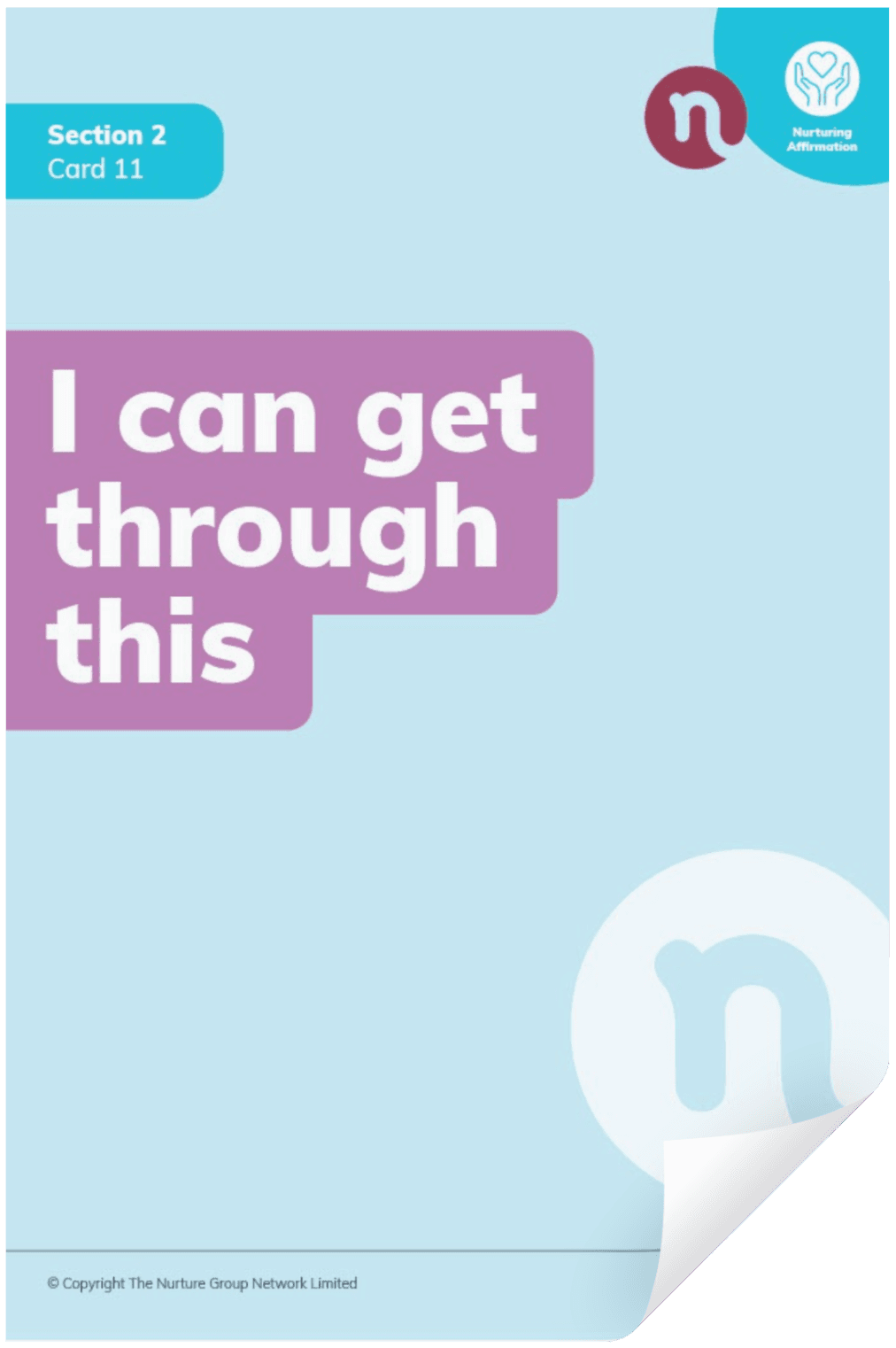
Downloadable resource for exam stress
Positive affirmations to re-set anxious minds, with 5 digital cards and educator instructions.
How to overcome exam anxiety in pupils

Relational practice during exam periods
Relational practice should be present in all aspects of a school setting, however you might want to put up extra scaffolding during high intensity periods, like examinations, particularly for the vulnerable children and young people you know will likely struggle more.
This might look like consciously building up more supportive relationships – removed from academic scenarios – with pupils and their families to foster a sense of security and belonging. It might mean reacting to disruptive behaviour with restorative conversations and connection, rather than sanctions. For some, peer support in group study sessions will ease exam anxiety, for others this could exacerbate stress. A one-size-fits all approach will not sufficiently support all your pupils so be attuned to what each pupil needs.
The Six Principles of Nurture can act as a practical guide for building a relational approach to the exam period.
The Six Principles of Nurture
When we use the Six Principles of Nurture to frame our exam strategy, we build resilience, manage anxiety, and unlock learning potential.
Here is how you can apply these foundational principles to create a successful, balanced exam season.
1. Children’s learning is understood developmentally
In a nurture-based approach, we follow a stage not age model of learning and development.
For primary school children, focus study sessions should be in short bursts of twenty minutes, interspersed with brain breaks. We are teaching how to study, not just what.
Secondary school pupils may have more developed executive brain function, but they can go into “survival mode” when under too intense exam pressure which can damage recall.
2. The classroom offers a safe base
Learning cannot happen when a student feels emotionally or physically threatened. Anxiety, fears of failure/rejection, and unrealistic expectations can all present an emotional threat to young people. This in turn creates a cognitive barrier to learning and retention.
Exams introduce uncertainty. As educators, we can counter this by creating predictable routines with revision timetables and blocked out time with trusted adults. When a student knows exactly what they are supposed to be doing and when, their nervous system settles. Don’t presume that older pupils do not need this level of support.
3. The importance of nurture for the development of wellbeing
You cannot separate a student’s cognitive success from their emotional wellbeing.
The single best way to nurture wellbeing is to change the definition of success. Praise the process, "I’m proud of how focused you were for that 25 minutes”, rather than the potential result.
4. Language is a vital means of communication
How we talk about exams directly impacts how students experience them.
We can do this through emotion coaching. For example, when a student says, "I'm going to fail," they don't mean they expect to fail; they mean they are overwhelmed. Help them put language to their feelings, such as: "I hear that you are feeling overwhelmed. It’s okay to feel that way. Let’s break this down into a small first step."
You can also use affirmations with the students, such as:
- "If I get stuck, I will take a breath and move to the next task with ease."
- "My best effort is more than enough."
5. All behaviour is communication
When pressure mounts, behaviour will change. We must look underneath the surface symptom to find the underlying feeling.
A usually calm secondary student becoming highly irritable, or a primary student becoming withdrawn and fussy, could be communicating anxiety. They are not being difficult, they are having difficulty.
When you see the behaviour, pause the study session. Implement the 5-4-3-2-1 Grounding Technique or have them do a few minutes of Box Breathing to reset their nervous system before they try again. We focus on the emotion first, and the academic material second.
6. The importance of transition in children’s lives
Exams represent a massive transition: changing school routines and expectations, moving classes, and often from one school stage to the next.
We can minimise the stress of transition by practicing the exam-day routine. What will they wear? What will they eat? How do they get there?
There should be a clear plan in place right after the exam is finished. This tells the brain: "The threat has passed; we are safe now." Try to discourage group chats discussing correct answers which keeps pupils in a heightened state of anxiety.
Next steps
- Check out our free sample of positive affirmations
- Further your understanding of relational practice with our e-learning module