

Posts by nurtureuk
nurtureuk responds to COYL report

A series of stories about young children being repeatedly failed by the education system make for some shocking reading.
The tales have been included in a vital new report launched by the Commission on Young Lives that calls for a ban on primary school exclusions.
All Together Now: Inclusion not exclusion contains sobering statistics relating to the high number of children in England excluded from school. It looks at how thousands of vulnerable children are falling through gaps in the education system, putting them at risk not only of low attainment but also serious violence, county lines, criminal exploitation, grooming and harm.
nurtureuk has long called for an inclusive education system that prioritises wellbeing and seeks to reduce exclusions. We’re delighted to see direct reference in this new report to the transformational work we’re carrying out with the London Violence Reduction Unit – supporting schools to develop a whole school nurturing approach.
As All Together Now so clearly demonstrates, exclusions do not work. They do not improve behaviour and almost always lead to poor academic outcomes for children.
In cases where challenging behaviour is directly linked to trauma and adverse experiences like separation from family, exposure to family conflict, parental substance abuse exposure and maternal depression, excluding pupils simply confounds the problem and isolates them further – exacerbating feelings of rejection and resulting in marginalisation.
Excluded young people are more likely to go to prison, be unemployed and develop severe mental health issues. A new approach is urgently needed, one that actively addresses the underlying causes of exclusions and works to reduce them. And of course, teachers need to be properly supported and resourced in order to implement this.
We’re delighted to see repeated references to nurture within this new report, including a key recommendation that specialist nurture programmes are brought into primary and secondary schools to replace in-school alternative provision.
We couldn’t agree more. Nurture is transformational and it is improving the life chances of some of the UK’s most vulnerable children.
The nurturing approach offers a range of opportunities for children and young people to engage with missing early nurturing experiences, giving them the social and emotional skills to do well at school and with peers, develop their resilience and their capacity to deal more confidently with the trials and tribulations of life, for life.
We are committed to bringing nurture and all its benefits to schools across the UK. Let’s support our children to thrive.
Arti Sharma
Chief Executive Officer, nurtureuk
Nurtureuk and SafeLives help to increase knowledge of domestic abuse in schools

On Wednesday 27 April, nurtureuk invited SafeLives to join a networking event as part of our Violence Reduction Unit (VRU) programme.
SafeLives is a leading UK charity dedicated to ending domestic abuse for everyone, for good. They work with organisations across the UK to transform the response to domestic abuse.
In the UK, around 20% of children have been exposed to domestic abuse¹, and SafeLives found that just under half of those are being directly harmed by the family member². They developed the Safe Young Lives programme to discover, understand, design, and develop learning and interventions which are informed by the voice and experiences of children and young people.
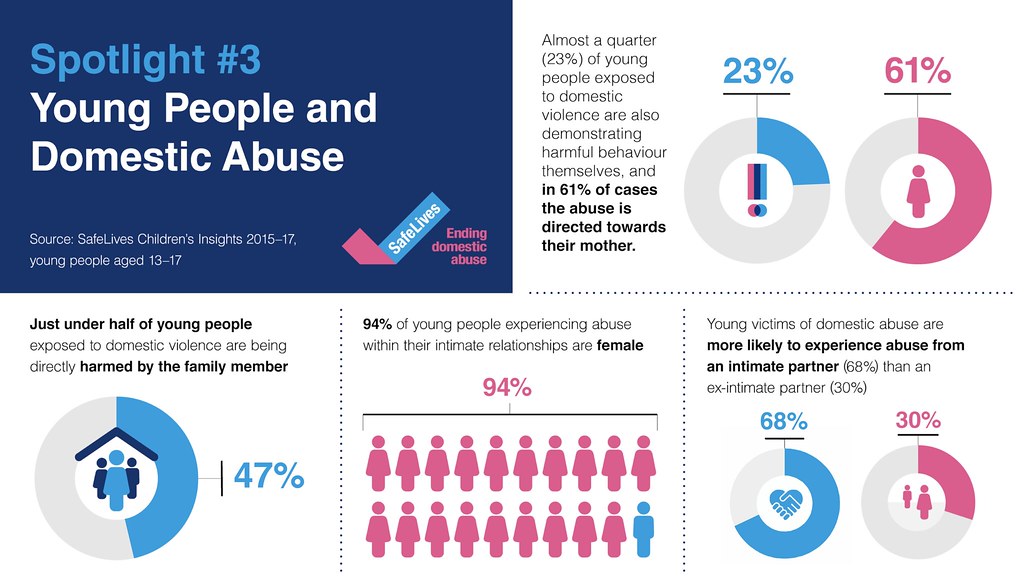
Nurtureuk welcomed SafeLives to the event to increase knowledge and confidence in schools around domestic abuse, including young people’s experiences of domestic abuse in their own relationships, and as victims living in a household where it occurs.
“Young people are disproportionately affected by domestic abuse and the links between domestic violence and other violent crime, whether as a victim or perpetrator, are clear. Schools in our nurtureuk VRU programmes have spoken to us many times about wanting to increase their knowledge in identifying and supporting their young people: they know that amazing services and organisations exist but don’t necessarily know how to access them. We were therefore delighted to welcome SafeLives to one of our network meetings to talk about some of their programmes, specifically for young people who may be victims of, witnesses to, or perpetrators of domestic violence.” – Jenny Perry, VRU Programme Manager, nurtureuk
The session also included insights that aim to impact and improve the safety of young people, in addition to resources for use in conversations as well as in curriculums and networks.
For more information on the fantastic work that SafeLives do, please visit their website: safelives.org.uk
¹ www.nspcc.org.uk/what-is-child-abuse/types-of-abuse/domestic-abuse/#pageref52419
² https://farm2.staticflickr.com/1834/43433035874_49a3101f6f_b.jpg
Supporting children and young people with stress at school
Stress is a normal response to changes and challenges, and it is an inevitable aspect of life. For children and young people, they can feel stressed when there is something that they need to prepare for or adapt to. Building up children and young people’s resilience is key to helping them deal with stress and other overwhelming emotions.
This year’s Stress Awareness Month focuses on community; highlighting how a lack of support can lead to loneliness and isolation among individuals. Social isolation in particular can have a detrimental effect on both children’s mental health. This is why it is crucial that children develop the basic social skills needed at an early age to interact with other pupils and staff so that they can create positive and meaningful relationships. These are skills that children can continue to use and develop later in life to ensure that they remain socially active and avoid any feelings of isolation or loneliness.
A great way to help children and young people to develop their social skills is by introducing nurture provisions at school. In nurture groups for example, there is a special emphasis on language and communication, and they are designed to help children develop vital social skills, confidence and self-respect. Nurture groups cater for early years, primary or secondary school pupils with social, emotional and behavioural difficulties which make it harder for them to learn in a mainstream classroom.
Nurture groups enable children to develop the ability to regulate or manage their feelings and, in particular, the stresses that are often related to or emanate from angry feelings. The support activities offered through nurture provision allow children to relax, express their feelings and communicate with others, all of which help them to cope with stress. The 60 Mindful Minutes resource by Dr Tina Rae provides a variety of fun and engaging activities that can be used in nurture groups. This practical resource helps children to soothe and calm themselves by learning mindfulness, which can boost children’s mental health and happiness.
Nurture provisions also allow practitioners to get a more accurate understanding of what levels of stress children experience so that they know what adaptive coping strategies can be implemented. The Boxall Profile® Online helps practitioners to recognise children’s stress triggers and responses, so that they can identify the right level of support that each child needs in the nurture group or classroom. Using the Boxall Profile® is a great way to identify and address hidden issues such as stress, so that practitioners can spot issues sooner and reduce their impact on children and young people’s learning.
By introducing nurture provisions in your school, and analysing pupil’s behaviour using the Boxall Profile®, you can support children and young people with managing their stress levels by allowing them to develop the social emotional skills, resilience and positive behaviours they need to do well in school and in life.
Ganneys Meadow Nursery School achieves the National Nurturing Schools Award

After working for three years on the National Nurturing Schools Programme, we are delighted to announce that Ganneys Meadow Nursery School in Woodchurch, Wirral has become the first nursery school in the region to achieve the award.
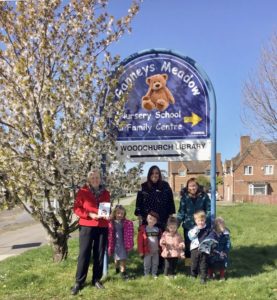
They were presented with the award by local MP Margaret Greenwood on 1 April and enjoyed celebrating with the whole school community.
Ganneys Meadow Senior Teacher Helen Appleby-Perry commented: “It has been proved that well nurtured children are shown to do better at school, attend regularly, form more meaningful friendships and are significantly less likely to offend or experience physical or mental health problems. Every one of the staff at Ganneys Meadow consistently ensures that the children attending our school are immersed in a nurturing environment which impacts positively on their developing skills.
The nurturing approach offers a range of opportunities for children and young people to engage with early nurturing experiences, giving them the social and emotional skills to do well at school and develop their resilience to deal more confidently with the trials and tribulations of life. The assessor judged our school to be a calm, neutral space where children learn essential life skills, as well as the curriculum subjects alongside their peers.
We are delighted to have been recognised for offering the environments and opportunities to children which address their developing social and emotional skills. The award reflects our school’s commitment to promoting healthy outcomes for children and young people, by focusing on emotional needs and development. The assessment took into account the views of our children, parents, staff, governors, professionals and partner schools about how their practice reflects the six nurture principles.”
Congratulations to all!
Virtual School Kent becomes the first-ever virtual school to achieve the NNSP Award

Virtual School Kent (VSK) acts as a local authority champion to promote the progress and educational attainment of children and young people who are or who have been in care so that they achieve educational outcomes comparable to their peers. Ensuring that they receive a high-quality education is a foundation for improving their lives. The school does not exist in real terms, or as a building, pupils do not attend it – they remain the responsibility of the school at which they are enrolled. VSK is simply an organisation that has been created for the effective coordination of educational services at a strategic and operational level.
VSK worked with nurtureuk to co-create a version of the National Nurturing Schools Programme (NNSP) for the Virtual School sector. In collaboration, we looked at the standards of the original programme and adapted it to fit their model, including bespoke 4, 8 and 12 months catch-up sessions, where VSK and nurtureuk co-delivered quality training and feedback sessions, ensuring that the VSK extended leadership teams were engaged and progressing through the 18-month programme.
“One of the key factors noted when working with VSK was the emphasis on relationships. Pupils, parents and carers, outside agencies, and designated teachers all commented on the positive regard, positive approaches and creativity within VSK. They work from a strengths-based perspective and have the wellbeing of their pupils, staff and partners at the heart of everything they do, recognising that the nature of their work is often challenging and sometimes in traumatic circumstances. Their desire to inspire, engage and support their pupils, often thinking “out of the box” in a creative way has resulted in successful outcomes, which are tangible and commendable.” – Claire Wilson, Senior Consultant Trainer at nurtureuk
Although the Covid-19 pandemic delayed their application for the award, it did not stop VSK from following the programme, using the Boxall Profile®, and embedding the 6 Principles of Nurture to ensure that their pupils and schools were all supported and encouraged in very challenging circumstances. VSK use their own version of nurtreuk’s 6 Principles which were developed by their young people, and their Directorate of Children’s Services, led by Matt Dunkley, were so impressed by these VSK Principles that they are looking to adopt them too. VSK is leading the way to ensure that Kent becomes a nurturing county and we are so pleased and proud of the way that they took the NNSP programme and made it part of their ethos, culture and values.
“This is an inspiring version of the NNSP programme, the result of which has empowered not just the VSK’s pupils and staff but also their stakeholders such as Fostering Services, Kent County Council and Social Care services, to name but a few. The ripple effect of VSK’s hard work is tangible across the whole county of Kent and is a testament to their understanding of the power of the 6 Principles of Nurture. This is really most impressive and the commitment, creativity and passion involved shine through.” – VSK NNSP Assessment Report
We want to congratulate all at Virtual School Kent for becoming the first ever virtual school to achieve the National Nurturing Schools Programme Award, and for setting the standard for all virtual schools to follow!
Take a look at our recent interview that we did with Virtual School Kent where we talk to Headteacher Tony Doran, Deputy Head Sarah Howell and Senior Support Officer Amanda Ormond:
Nurtureuk and RoadWorks LDN collaborate to help tackle social exclusion

We are delighted to be working with RoadWorks LDN as part of our Violence Reduction Unit (VRU) programme.
RoadWorks LDN aims to tackle social exclusion and reduce serious youth violence by supporting young people to navigate their social worlds safely, and communicate their experiences through writing and in conversations. They deliver a variety of workshops that explore British youth culture, social theory, English literature and language, and current affairs.

After reading ‘Cut Short: Youth Violence, Loss and Hope in the City’, the recent book from RoadWorks LDN founder Ciaran Thapar, nurtureuk’s Associate Consultant Trainer Siobhán Garrett saw an opportunity to provide additional support to the schools taking part in the London VRU programme.
“In particular, the themes of shame, rejection and powerlessness that surface repeatedly in Ciaran’s book resonated with the work of the London VRU team. Nurturing Schools are the antidote to these experiences; relational safety, nurture and compassion that pull children and families into connection with schools, rather than driving them further away, is what our training and support programme is all about.”
Each school on the programme received a copy of the book, and Ciaran led a networking event that enabled schools to reflect on his story, and the stories of the young men in his book.
Ciaran’s work inspired the London VRU team to explore a partnership programme that would allow for necessary and important work to happen directly with young people who have been deeply affected by London’s youth violence epidemic.
The team developed the Pattern Programme, in partnership with Ciaran Thapar, Franklyn Addo, and Demetri Addison from RoadWorks LDN, which will provide a weekly space for students to take part in guided critical discussions covering topics such as social media, storytelling, justice, authority, and education. The programme content is inspired by Ciaran’s book, and will encourage discussion, reading, and writing as useful and enjoyable activities for understanding social issues.
The pilot project will run for 6 weeks in the spring term, and aims to improve participants’ relationships and experiences of school, as well as building their confidence and competence in creative writing. By combining contemporary British urban youth culture with academic subjects such as Philosophy, Sociology and English Literature, the programme will help participants to develop critical thinking, problem solving, decision making, and conversational skills.
The programme aims to create a positive ‘pattern’ for participants who are deemed to be at risk of exclusion, and all workshops will be delivered with flexible and trauma-informed youth work practice. This will allow for a blend of structured and informal conversation, and ultimately provide a relaxed, enjoyable and stimulating intervention for students who otherwise find school and classroom-based learning challenging.
International Women’s Day: Breaking the Bias

This year’s International Women’s Day calls on individuals, communities, workplaces, and education spaces to imagine a world free of bias, stereotypes and discrimination. A world that is diverse, equitable and inclusive, where difference is valued and celebrated. We are encouraged to join the movement to #BreakTheBias through our own thoughts and actions.
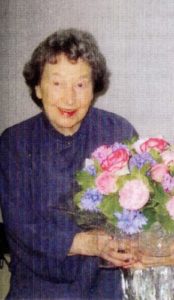
Marjorie Boxall
Here at nurtureuk, we want to celebrate the work of an incredible woman who worked tirelessly to #BreakTheBias against children and young people across the UK.
Marjorie Boxall began her work as an Educational Psychologist in the late 1950s, spending most of her career in inner city London. In a time where many children, particularly those from disadvantaged socio-economic backgrounds, were considered ‘maladapted’, Marjorie saw beyond the bias, and instead recognised that they were entering primary school with severe emotional, behavioural, and social difficulties.
Her concern for these children led her to develop the first nurture groups to provide them with the ‘restorative and development experiences’ they were missing.
The success of her pilot project led to further nurture groups being set up across London. At first, the news of the nurture groups’ effectiveness spread by word of mouth, but they gained wider recognition after receiving praise in the influential ‘Warnock Report’ of 1978. During the Inner London Education Authority’s 1980s national campaign to make education more inclusive, over 50 headteachers of schools with nurture groups made submissions arguing that nurture groups were integral to an inclusive approach.
Although Marjorie retired in 1989, she continued to publish books on nurture in education, including Effective Intervention in Primary Schools with Marion Bennathan (1996), and Nurture Groups in Schools with Sylvia Lucas (2002).
Using evidence from her earlier book, The Association of Workers for Children with Emotional and Behavioural Difficulties (AWCEBD) successfully lobbied the Department for Education to support the expansion of nurture groups across the UK. To help train and organise these new groups, the AWCEBD founded the Nurture Group Consortium.
Sadly, Marjorie Boxall passed away in 2004, a year before the Consortium became an independent charity now known as nurtureuk.
Her legacy lives on, as the charity established an accreditation system for nurture groups, which it named – in tribute to Marjorie’s unique contribution to the nurture movement – the Marjorie Boxall Quality Mark Award. Over 75 nurture groups have been given this prestigious award over the past five years.
Nurtureuk’s unique online tool, the Boxall Profile®, was also named in recognition of Marjorie’s work. The tool assesses the social, emotional and mental development of pupils aged 4-18, providing education professionals with a precise picture of pupils’ strengths, as well as any difficulties that may be causing a barrier to their learning.
There are now over 11,000 schools across the UK using the Boxall Profile® to assess their pupils’ social, emotional and mental health – that’s over a third of all UK schools using the tool to #breakthebias of struggling children and young people, helping them instead to flourish and learn.
How to support children with their mental health
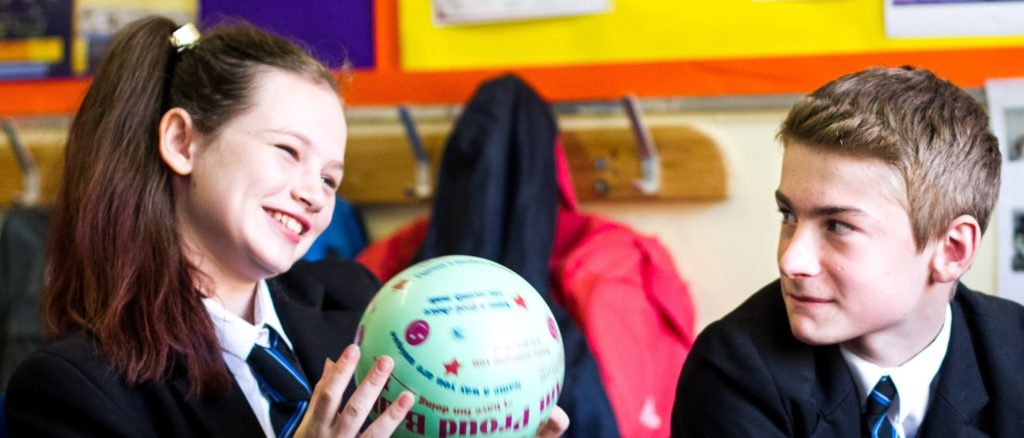
This week, we’ve joined with charities, schools, parents and educational professionals across the UK to support Place2Be’s Children’s Mental Health Week. Around 50% of people who have lifetime mental health problems first experience symptoms by the age of 14, and the awareness week has highlighted the importance of providing support early on in life.
This year’s theme of #growingtogether encouraged people to share stories of how they have grown, and who helped them along the way. It helps us to celebrate people like Robin Lee, founder of Wilds Lodge School in Oakham, whose passion to see every child flourish with their education led to many of his pupils with social, emotional and mental health (SEMH) difficulties receiving the support they desperately needed.
Robin, like many other education professionals, championed the nurture approach to improving the mental health of his pupils. Here at nurtureuk, we’ve made it our mission to improve the social, emotional, mental health and wellbeing of all children and young people across the UK.
Through our graduated approach to nurture, we ensure that every child in the school has the opportunity to flourish in their education, and has access to the support they need, when they need it. Whether they enter the education system with early childhood trauma, or experience it during their time in education, we work to support the social, emotional and mental health of all children, so no child falls through the cracks.
Children’s Mental Health Week has emphasised the importance of providing this crucial support for children and young people. But how do we know if the support is working? How do we measure the improvement in their social, emotional, mental health and wellbeing?
The Boxall Profile® Online is an assessment tool that enables staff to assess and track the social, emotional and behavioural development of children over time. It provides staff with an overview of the needs and how to respond to them – both in the classroom and with specific nurturing interventions.
The unique tool supports staff to develop their observational skills to include early identification of difficulties, and provides the opportunity to create individualised targets and interventions, as well as practical strategies and techniques for the classroom to help children and young people achieve their full potential.
The Boxall Profile® is now used by over half of UK schools that assess their pupils’ mental health. To find out more, please visit www.nurtureuk.org/what-we-do/the-boxall-profile.
The positive impact of nurture on children’s mental health

Today marks the start of Children’s Mental Health Week and the theme of this year’s campaign is #growingtogether.
Recent figures from charity Place2Be, which runs the week, show that one in six children and young people have a diagnosable mental health problem, and many more struggle with challenges from bullying to bereavement.
Schools have a vital role to play when it comes to supporting and managing children’s social, emotional and mental health needs. But teachers must fulfil this huge responsibility while also delivering the curriculum and ensuring all children achieve academically. So, what can they reasonably do?
The answer is nurture.
Nurture can transform children’s lives. It is improving the life chances of some of the UK’s most vulnerable children, but it also helps those who have mild to moderate social, emotional and mental health needs, and keep them well hidden.
Nurture allows children to connect with others, to build important relationships, and to develop a sense of self-worth. It helps them learn, play and communicate – and it is enabling children to thrive. We know this because teachers and parents tell us so. They tell us that their classrooms are calmer, their children are happier, and that their schools are more successful because of nurture.
The nurturing approach offers a range of opportunities for children and young people to engage with missing early nurturing experiences, giving them the social and emotional skills to do well at school and with peers, develop their resilience and their capacity to deal more confidently with the trials and tribulations of life, for life.
It can mean a specific set of activities for certain groups of children, or it can be developed as a whole-school approach that prioritises wellbeing.
The concept of nurture is rooted in attachment theory and neuroscience. It highlights the importance of social environments and their significant influence on social and emotional skills, as well as wellbeing and behaviour. A nurturing ethos in an education environment is empathetic, structured and fair for all.
This week, we’re taking the opportunity to talk about the benefits of nurture and show education professionals how they can help ensure all children flourish and learn.
Find out more about how your school can integrate a nurturing approach to education on our website.